


Crumble Wax: The Complete Guide to This Potent Cannabis Concentrate
Crumble wax has earned a devoted following among concentrate enthusiasts — and for good reason. This dry, honeycomb-textured cannabis extract packs 60–90% THCA or THC into one of the most versatile and approachable concentrates on the market. Whether you're new to dabbing or a seasoned extract collector looking to explore your options, crumble wax delivers serious potency at a price that won't break the bank. If you're ready to experience high-potency hemp-derived concentrates, check out Diesel Hemp's THCA Diamonds collection — the closest thing to pure crystalline THCA you'll find.
Shop Diesel Hemp


What Is Crumble Wax?
Crumble wax is a cannabis concentrate distinguished by its dry, porous, honeycomb-like texture that — as the name suggests — crumbles easily when handled. Unlike sticky waxes or glass-like shatter, crumble is the driest extract on the market. It ranges in color from light yellow to deep amber depending on the source material and extraction parameters.
What makes crumble stand out isn't just texture. It's potency. With cannabinoid concentrations hitting 60–90% THCA or THC, crumble is one of the most powerful forms of cannabis available — significantly more potent than flower, which typically tops out around 30%. It's also one of the more affordable concentrates, making it a go-to for regular users who want maximum effect without premium pricing.
- Consistency: Dry, crumbly, honeycomb-like — breaks apart easily with minimal handling
- Potency: 60–90% THCA/THC — among the highest of any concentrate type
- Color: Light yellow to deep amber, depending on source material and purge time
- Best For: Dabbing, vaporizers, topping bowls and joints, adding to pre-rolls
- Also Known As: Honeycomb wax, crumble dabs, cannabis crumble
How Is Crumble Wax Made?
Crumble wax is made through a solvent-based extraction process — typically using butane (BHO) or carbon dioxide (CO2) — followed by a carefully controlled vacuum purge. The extraction process itself is similar to shatter and budder; what makes crumble unique is what happens during purging.
Here's the step-by-step breakdown:
- Extraction: Cured cannabis or hemp flower is placed in an extraction chamber. A solvent — usually butane or CO2 — is forced through the material, stripping cannabinoids, terpenes, and other compounds from the plant matter.
- Purging: The solvent-saturated oil is then placed in a vacuum oven and heated at lower temperatures than shatter — typically under 100°F — for a longer period of time. This extended, low-heat purge is what creates the crumble's signature dry, airy texture.
- Agitation: During the purge, the mixture is occasionally stirred or whipped, introducing air into the oil and producing the porous, honeycomb structure.
- Cooling & Collection: The finished concentrate is allowed to cool and solidify, then collected with non-reactive tools (silicone or titanium dabbers work best) and packaged in airtight, non-stick containers.
The key difference between crumble and shatter comes down to purge parameters: shatter is purged at higher temperatures for a shorter time, producing a glass-like sheet; crumble undergoes a longer, cooler purge that drives off more moisture and creates that characteristic dry, powdery texture.
Live crumble is a premium variant made from flash-frozen fresh flower rather than cured bud. This preserves more terpenes in the final product, resulting in richer flavor and a more complex effects profile — similar to how live resin differs from standard BHO.
How to Use Crumble Wax
One of crumble's biggest selling points is versatility. Its dry, non-sticky texture makes it easier to handle and more compatible with a wider range of consumption methods than wetter concentrates like budder or live rosin.
- Dab Rig (Best Method): Load crumble into the banger or nail of a dab rig after heating. For maximum flavor and terpene preservation, use low-temp dabs — aim for 450–550°F. A scoop-style dabber is the ideal tool for handling crumble's powdery consistency.
- Vaporizer / Concentrate Pen: Any concentrate-compatible vaporizer or dab pen with a chamber can handle crumble. Set the device to medium heat (350–450°F) for balanced vapor production and flavor. Avoid high-heat settings that can scorch the terpenes.
- Bowl or Bong Topper: Crumble's dry texture makes it ideal for sprinkling on top of packed flower in a bowl, bong, or pipe. It melts into the flower as it burns, significantly boosting potency without changing the smoking method.
- Joint or Pre-Roll Topper: Roll crumble into a joint alongside flower, or sprinkle it on top of a pre-roll before sealing. This is the most accessible method for those without dabbing equipment.
Pro tip: Always start with a small amount — a dab the size of a grain of rice (0.03–0.05g) is a reasonable starting point for most users given crumble's high potency.
Crumble Wax vs Other Concentrates
The cannabis concentrate market has never been more diverse — so where does crumble fit in? Here's a straight comparison against the most common alternatives:
- Crumble vs Shatter: Both are made via solvent extraction from cured flower. Shatter is purged at higher heat for a shorter time, producing a brittle, glass-like texture. Crumble is purged longer at lower temps, producing a dry, powdery consistency. Crumble is generally easier to handle — shatter can shatter explosively when broken, sending pieces flying.
- Crumble vs Budder/Wax: Budder and wax go through a similar extraction process but are whipped more aggressively, producing a creamier, butter-like consistency. Crumble is drier and less sticky — making it easier to work with in joints and bowls where wet concentrates would be messy.
- Crumble vs Live Rosin: This is the solvent vs. solventless divide. THCA live rosin is made from fresh-frozen flower using only heat and pressure — no solvents. The result is a cleaner, more flavorful concentrate with a richer terpene profile. Crumble is typically more potent (up to 90% vs ~85% for rosin) but less flavorful. Rosin commands a premium price — often 2x the cost of crumble per gram.
- Crumble vs Live Resin: Live resin uses flash-frozen material but still employs solvents. It retains more terpenes than standard crumble and typically has a sauce-like consistency. Live resin is priced higher and is better suited for flavor-forward sessions; crumble wins on potency-per-dollar.
- Crumble vs THCA Diamonds: THCA diamonds are crystalline THCA isolate — essentially pure cannabinoid with almost no terpenes unless paired with sauce. Diamonds can hit 95%+ THCA. Crumble offers a broader spectrum experience with residual terpenes intact.
Benefits of Crumble Wax
Crumble wax has built its loyal fanbase on a combination of potency, versatility, and value that few other concentrate types can match. Here's why it continues to win over experienced concentrate users:
- Exceptional Potency: 60–90% THCA/THC content delivers rapid onset and powerful effects — well beyond what flower alone can achieve.
- Versatility: Usable in dab rigs, vaporizers, bowls, bongs, and joints — one product works across multiple consumption methods.
- Easy Handling: The dry, non-sticky texture is far easier to measure and load than sticky waxes, budder, or live resin. No gummy residue, no product wasted on tools.
- Cost-Effective: Crumble is among the most affordable concentrates on the market — typically $30–$45 per gram — delivering more cannabinoids per dollar than most alternatives.
- Good Terpene Retention: The low-temperature purge preserves more terpenes than high-heat extractions, resulting in a concentrate that still carries the flavor character of the source strain — especially in live crumble varieties.
- Longer Shelf Life: Properly stored in an airtight container away from light and heat, crumble maintains potency and texture for 6–12 months.
→ Shop premium THCA concentrates at Diesel Hemp
Terpene Preservation in Crumble
Terpenes are the aromatic compounds responsible for cannabis's flavor and aroma — and they also contribute to the entourage effect, the synergistic interaction between cannabinoids and terpenes that shapes the overall experience. How a concentrate is processed has a major impact on terpene survival.
Standard crumble — made from cured flower using BHO or CO2 — retains a moderate terpene profile. The extended, low-temperature vacuum purge actually preserves more terpenes than high-heat extractions like some CO2 methods. However, the curing process that the source flower undergoes before extraction does degrade volatile terpenes like myrcene and caryophyllene.
Live crumble — made from flash-frozen fresh flower — bypasses the curing step entirely, preserving far more terpenes in the final product. The result is a crumble that more closely mirrors the terpene profile of the living plant — more complex, more aromatic, and with a richer entourage effect.
Regardless of the crumble type, low-temperature dabbing is essential for terpene preservation. High-heat dabs (above 600°F) vaporize terpenes too rapidly, diminishing flavor and potentially producing harsher vapor. Aim for 450–550°F for the best balance of potency and flavor — use a carb cap to maximize vapor production at lower temps.
Medicinal Uses
High-potency cannabis concentrates like crumble wax are increasingly used by medical cannabis patients who require fast-acting, powerful relief. The rapid onset — effects typically begin within minutes of inhalation — makes crumble a preferred format for conditions where immediate relief is a priority.
- Chronic Pain Management: Research published in the National Library of Medicine supports cannabis use for chronic non-malignant pain management, with inhaled formats offering faster bioavailability than edibles or tinctures.
- Anxiety Relief: A clinical study in PMC found that inhalation of THC-predominant cannabis was associated with significant improvements in anxiety symptoms and self-reported quality of life.
- Insomnia: High-THCA concentrates can promote relaxation and aid sleep onset, particularly when derived from indica or indica-dominant strains.
- Nausea and Appetite Stimulation: Rapid onset through inhalation makes concentrates valuable for patients experiencing nausea — including those in chemotherapy — who need fast, reliable antiemetic effects.
- Neuropathic Conditions: Some patients with neuropathic pain or muscle spasticity report benefits from high-potency concentrates that flower alone cannot match.
Disclaimer: The information above is for educational purposes only and does not constitute medical advice. Consult a qualified healthcare provider before using cannabis for any medical condition.
Shop THCA Concentrates at Diesel Hemp
If crumble wax has piqued your interest in the world of high-potency concentrates, Diesel Hemp carries the best hemp-derived THCA options — federally compliant, lab-tested, and built for serious users:
- THCA Diamonds — ultra-pure crystalline THCA, one of the most potent forms of hemp-derived concentrate available
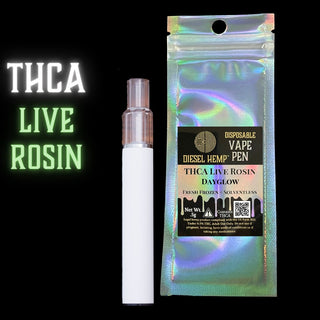
- THCA Live Rosin — solventless concentrate with full terpene preservation and a premium flavor profile
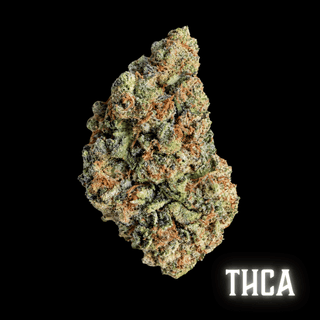
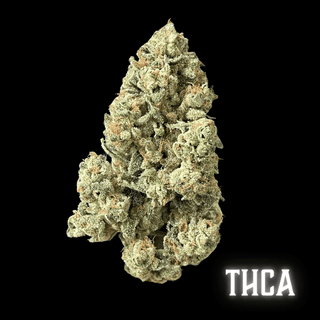
- THCA Flower — premium hemp-derived THCA flower for those who prefer traditional smoking methods
Frequently Asked Questions
What is crumble wax?
Crumble wax is a cannabis concentrate with a dry, honeycomb-like texture and 60–90% THCA or THC content. It's made using solvent-based extraction (typically butane or CO2) followed by a low-temperature vacuum purge that creates its signature crumbly consistency. It's one of the most potent and versatile concentrate types available.
How do you smoke crumble wax?
The most common and efficient method is dabbing — heating a banger or nail on a dab rig and applying the crumble at 450–550°F for clean vaporization. You can also use a concentrate-compatible vaporizer pen, sprinkle crumble on top of a bowl or bong, or roll it into a joint with flower. A scoop-style dab tool works best given crumble's powdery texture.
How strong is crumble wax?
Crumble wax typically contains 60–90% THCA or THC — far more potent than cannabis flower, which usually tops out around 25–30%. A single small dab (0.03–0.05g) is enough to produce powerful effects in most users. If you're new to concentrates, start low and go slow.
How long does crumble wax last?
Properly stored crumble wax maintains potency and texture for 6–12 months. Store it in an airtight, non-stick container (silicone or glass) in a cool, dark place below 70°F. Avoid plastic containers — they can leach into the concentrate and degrade quality. Terpenes begin to degrade after 3–6 months even under ideal conditions, so consume fresher crumble first if you have multiple batches.
What's the difference between crumble and shatter?
Both crumble and shatter are made via solvent-based extraction from cured cannabis. The key difference is the purge process — shatter is purged at higher temperatures for a shorter time, producing a glass-like, brittle consistency. Crumble is purged longer at lower temperatures, creating its dry, powdery texture. Crumble is generally easier to handle, while shatter can break unpredictably and is harder to manipulate at room temperature.
Is crumble wax better than live rosin?
It depends on your priorities. Crumble is typically more potent (up to 90% THC vs ~85% for live rosin) and significantly more affordable. Live rosin, however, is solventless — no butane or CO2 — which many users prefer for health and purity reasons. Live rosin also offers a richer, more complex terpene profile. Both are excellent concentrates; crumble wins on value and potency, rosin wins on flavor and purity.
Can you put crumble in a vape cartridge?
No — crumble's dry, solid texture is not compatible with standard vape cartridges, which require liquid oil. However, you can use crumble in any concentrate-compatible vaporizer device with a solid concentrate chamber. These devices are purpose-built for waxy or powdery extracts and offer a portable alternative to a full dab rig setup.
Related Articles
- CBD Crumble — the non-psychoactive counterpart to THCA crumble, made from CBD-rich hemp flower
- CBD Wax — another popular CBD-rich concentrate with a soft, waxy consistency
- THCA Flower — the traditional smokeable form of THCA hemp, and the source material for many concentrates
- Myrcene — one of the primary terpenes found in cannabis concentrates, responsible for earthy, herbal aroma
- Caryophyllene — a spicy, peppery terpene commonly preserved in live crumble and live resin extracts
- Browse the Full Diesel Hemp Encyclopedia


