


Hindu Kush Strain: The Original Kush
The Hindu Kush strain is where the word "Kush" comes from. It's a pure-indica landrace named after the Hindu Kush mountain range on the Afghanistan–Pakistan border, where farmers grew it for hashish for generations long before anyone sold seeds. In 2014 High Times put it on its list of the 25 greatest strains of all time, writing that it "is the primary reason the words 'Kush' and 'indica' have become synonymous." Squat, resinous and fast to finish, it became breeding stock for a long line of Kush strains — Master Kush, Purple Kush and, by the most-repeated account, OG Kush.
Expect earthy, woody, sweet-sandalwood flavor with a hashy finish, and a slow, heavy body high that ends in sleep. It belongs in the same evening corner of our THCA flower collection as other heavy indicas. Below: origin, real potency numbers, effects, use, growing, and how it compares with its Kush descendants.
A 360° look at Hindu Kush's compact, resin-caked olive-green buds.
Quick Facts
In short: The original Kush — a pure-indica landrace from the Afghanistan–Pakistan mountains, bred for hashish for generations. Earthy, woody, sweet sandalwood on the nose; a slow-building, heavy, sleepy body high.
- Type: Pure indica landrace (100% indica per Leafly, AllBud and Sensi Seeds). See indica vs sativa
- Origin: The Hindu Kush mountain range on the Afghanistan–Pakistan border
- Lineage: No parents — it's a landrace. Seed lines are kept by Sensi Seeds and others
- Aliases: Hindi Kush
- THC: Leafly lists 19%; lab-data aggregator Cannigma averages 17.1% (12.8–20.9%); AllBud claims 22–32%
- Dominant terpenes: Caryophyllene, myrcene and limonene — sources disagree on which leads
- Flavor: Earthy · woody · sweet sandalwood · spicy pine · hash
- Best for: Evening, winding down, sleep
- Famous offspring: Master Kush, Purple Kush, and — by the usual account — OG Kush
- At Diesel Hemp: Closest match in stock — Permanent Marker, an indica-dominant heavy hitter →
Closest Match In Stock
We don't carry Hindu Kush in the shop right now. For the same heavy, indica-leaning body relaxation with a peppery, caryophyllene-led nose:

THCA Flower – Permanent Marker
½oz — $65
(Biscotti × Sunset Sherbet) × Jealousy · indica-dominant hybrid · Third-party lab tested — view COAs · Add a $9 King Size Pre Roll and ship free ($75+)
Shop Permanent Marker →Shop Diesel Hemp
We don't carry Hindu Kush. These are the closest in-stock picks for a heavy, relaxing evening — plus solventless live rosin, a nod to Hindu Kush's hash roots.
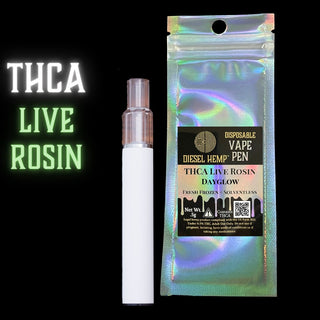
THCA Live Rosin Vape Pen (.5g)
From $44.00
SHOP NOW →THCA Flower – Permanent Marker
½oz — $65.00
SHOP NOW →
THCA Flower – Strawberry Glue
½oz — $69.00
SHOP NOW →
THCA Flower – Lemon Cherry Gelato
½oz — $69.00
SHOP NOW →
THCA Live Rosin – HBIC
1g — $44.00
SHOP NOW →
THCA Pre Roll – King Size
From $9.00
SHOP NOW →Hindu Kush Strain Genetics & Origin
- Type: 100% indica — Leafly, AllBud and Sensi Seeds all list it as a pure indica.
- Ancestry: None. Hindu Kush is a landrace — a regional plant shaped by local farmers and climate rather than a deliberate cross. Leafly describes it as "named after the mountain range stretching 500 miles between Pakistan and Afghanistan where it originated."
- Seed lines: The best-known commercial line is Sensi Seeds' Hindu Kush, which the breeder sells as a "100% indica suitable for novices, with compact growth and a short flowering time." Weedmaps credits Sensi with preserving the line.
- Aliases: Hindi Kush (per Leafly).
- CBD: Negligible. Cannigma's lab-data average is about 0.06% CBD and 0.5% CBG; Leafly lists about 1% CBG.
A hashish plant first
Long before it had a menu name, Hindu Kush was a hash plant. Cannabis Business Times calls the Hindu Kush mountains of northeastern Afghanistan the "homeland of the world's finest hashish," where landrace hash varieties "had been grown and processed with traditional techniques for generations." Farmers collected and sieved the resin to make hash — which is why the plant is short, broad-leaved, fast-finishing and heavily coated in resin.
How it reached the West
Travelers on the 1960s–70s "Hippie Trail" met these plants and their hash, and per Cannabis Business Times, seeds came home from the late 1960s into the early '80s — "shorter plants with broad, dark green leaflets ... covered with copious resin glands." Dutch seed companies then stabilized the lines for indoor growing.
The Kush family tree
Hindu Kush has no parents, but it has plenty of children. What the sources actually say:
- Master Kush: per Leafly, crossed "from two landrace strains from different parts of the Hindu Kush region" by the White Label Seed Company in Amsterdam.
- Purple Kush: per Leafly, a pure indica from the Oakland area, "the result of crossing Hindu Kush and Purple Afghani."
- OG Kush: Leafly lists Chemdawg and Hindu Kush as parents, and its story has a Northern California plant "supposedly crossed with Chemdawg, Lemon Thai and a Hindu Kush plant from Amsterdam." No breeding records exist — treat it as the most-repeated account, not a documented pedigree.
- Triangle Kush: the Florida OG line is often traced to a Hindu Kush cross, which makes it a close relative of OG Kush.
- Bubba Kush: Kush family, but not a direct child. Per Leafly, an OG Kush pollinated an unknown indica from New Orleans, so any Hindu Kush blood comes through the OG side.
SeedFinder lists 35 direct hybrids bred from Sensi's Hindu Kush alone. Together with its Afghani neighbors, it gave the modern indica its short frame, heavy resin and sedating finish.
Hindu Kush Terpene Profile
Sources don't agree on what leads. Cannigma's lab-data averages put beta-caryophyllene first (about 0.4%), followed by myrcene and limonene (about 0.3% each) and humulene (about 0.2%). Leafly lists limonene as dominant, with caryophyllene and pinene. Landrace seed lines vary; the common thread is spicy, earthy and woody — not candy, not fuel.
Terpene Profile — Relative Intensity
Caryophyllene — pepper, spice, the hashy backbone
Myrcene — earthy, musky, heavy body
Limonene — a faint sweet-citrus lift
Humulene — woody, earthy, dry
Pinene — the wet-pine note
Relative profile based on Cannigma's lab-data averages. Leafly lists limonene as dominant — landrace seed lines vary.
- Caryophyllene: The peppery, spicy edge in the smoke, and the only common terpene known to bind directly to CB2 receptors.
- Myrcene: Earthy and musky — the classic "indica" terpene, usually linked with Hindu Kush's heavy, sleepy finish.
- Limonene: The faint sweetness behind the earth, and possibly part of the mild mood lift before the body takes over.
- Humulene: Dry, woody and hoppy — part of the sandalwood character breeders describe.
- Pinene: The "wet pine trees" note Sensi Seeds describes, loudest on a freshly broken bud.
The "hash" in the flavor isn't one terpene. It's the whole resin profile — the same thing farmers were sieving for centuries.
Appearance
Hindu Kush buds are compact and dense — olive to dark forest green, threaded with orange-to-amber-brown pistils and caked in resin. AllBud describes "oversized heart-shaped bright forest green nugs with bright orange hairs and a coating of amber crystal trichomes." The plants themselves are short and bushy with broad, dark leaves, and Sensi Seeds calls the trichome layer thick enough that the plant is "predestined for the extraction of kief or hashish."
Aroma and Flavor
This is the earthy end of cannabis. Sensi Seeds describes "sweet, earthy sandalwood notes" and a smell "reminiscent of wet pine trees." AllBud calls the aroma "very pungent and fragrant with a floral effect that's accented by fresh herbs and spicy pine," and the flavor "skunky earthy" with "a sweet flowery exhale that has touches of fresh woods." Leafly's users tag it earthy, woody and spicy/herbal, and Cannigma notes many compare the taste to hash.
Recreational Effects
Hindu Kush isn't a fast, heady strain. AllBud describes "a subtle building onset that creeps up on both mind and body." Sensi Seeds calls it "an enveloping, pleasantly embedded and narcotic sensation" — relaxing without full couch-lock at sensible doses. On Leafly, with more than 1,200 ratings, the top effects are:
- Sleepy: the headline effect. This is a nighttime strain.
- Relaxed: a deep body calm that loosens tight shoulders and slows racing thoughts.
- Hungry: a strong appetite kick — have snacks ready.
- Euphoric and happy: a mellow, contented mood rather than a giggly rush (Cannigma and AllBud).
How the high unfolds: onset, peak and duration
- First 10–15 minutes: a slow creep — heavy eyes, a calm, contemplative head.
- 30–90 minutes: the peak — body heaviness, deep relaxation, munchies.
- 2–3 hours: a long, sleepy tail. Many people are asleep before it ends.
Because it builds slowly, the classic mistake is taking more before the first hits land. Wait.

The old way: ground Hindu Kush packed into a slim ceramic chillum — the hash-trail pipe for a landrace from the hash trail.
→ Experience it yourself — shop Diesel Hemp's THCA Flower
How Strong Is Hindu Kush?
Hindu Kush is famous, not extreme. Its reputation comes from history and effect, not record THC numbers. The sources:
- Leafly: 19% THC.
- Cannigma (aggregated lab data): 17.1% average, ranging 12.8–20.9%.
- JointCommerce: 18–22% total THC in modern lab reports.
- AllBud: 22–32% — well above every lab-based figure we found, so treat it with caution.
- Sensi Seeds: no number — it calls the potency "medium-to-high."
Expect high teens to low 20s — moderate by today's standards, though the sedating body effect makes it feel stronger than the number.
THCA flower is labeled differently from dispensary flower: the lab reports THCA, which converts to THC when heated, plus a small amount of delta-9 THC. When you compare a Hindu Kush batch against the 17–22% range above, compare total THC on the COA, not the headline number — our guide on how to read a THCA flower COA walks through the math.
Hindu Kush vs Similar Strains
- vs Afghan Kush: near-neighbors — both are Afghani landrace indicas from the same mountain range, and the names overlap. Both are earthy, hashy and sedating; differences come down to the seed line.
- vs OG Kush: OG is the modern descendant — more potent, more fuel and lemon-pine, and a more euphoric, heady start. Hindu Kush is earthier, sweeter and more purely sedating.
- vs Master Kush: a Dutch cross of two Hindu Kush-region landraces — very close in character, with hints of lemon and oak over the earth.
- vs Bubba Kush: a later Kush-family indica with sweeter, coffee-chocolate notes and the same heavy body.
- vs Northern Lights: another Afghani-descended indica classic, with a sweeter, spicier profile and a similar dreamy, sleepy finish.
- vs Permanent Marker: a modern indica-dominant hybrid with a loud marker-and-candy nose. Nothing like Hindu Kush on flavor, but the closest match on our shelf for a peppery, caryophyllene-led, heavy-bodied evening.
Who Hindu Kush Is (and Isn't) For
Good fit: evening use, old-school indica relaxation, earthy-hash flavor fans. Poor fit: daytime productivity or fans of candy terpenes. For something brighter, Strawberry Glue starts with a euphoric lift before the body relaxation arrives.
How to Use Hindu Kush THCA Flower — and How Much
THCA has to be heated to do anything. Raw, it isn't intoxicating; heat converts it to THC (decarboxylation), which is why the method matters as much as the strain.
- Smoking (joint, pipe, bong): the fastest onset. Take one or two small hits, then wait 10–15 minutes before deciding on more.
- Dry-herb vaporizer: around 360–380°F brings out the sweet sandalwood and pine; 390–410°F pulls the heavier, sedating body effect forward.
- Pre-rolls: the no-prep option — see our THCA pre-rolls.
- Homemade edibles: decarb the flower first. Edibles take 30–120 minutes to kick in and last far longer, so start low and wait the full two hours.
How much? Hindu Kush builds slowly, so new or occasional users should take one or two small puffs and wait a full 15–30 minutes. Regular users usually find two or three hits gets them to the couch. For sleep, use it 30–60 minutes before bed. You can always add more; you can't take it back.
Medicinal Benefits
These are uses consumers report on Leafly, not established clinical outcomes. Individual response varies with dose, tolerance and chemotype.
- Stress: the most-cited reason in Leafly reviews (about 40%).
- Pain: about 36% of reviewers mention aches and pains.
- Anxiety: about 35% report help; high doses can still bring on paranoia.
- Sleep and appetite: "sleepy" and "hungry" are two of its top three reported effects, and Cannigma lists insomnia among common uses.
For a plain-language primer on how terpenes are thought to shape these effects, see Project CBD on terpenes. Nothing here is medical advice, and nothing on this page is intended to diagnose, treat, cure or prevent any disease. If you take prescription medication or have a health condition, talk to your doctor before using any cannabis product.
Side Effects and Cautions
- Dry mouth and dry eyes — the most common complaints on Leafly.
- Dizziness — Leafly's third most-reported negative, usually from standing up fast after a heavy session.
- Paranoia — listed by Cannigma; less common than with fast, heady strains, but possible at high doses.
Don't drive or operate machinery after using it, and talk to your doctor first if you take prescription medication (especially sedatives or sleep aids), are pregnant or nursing, or have a heart condition.
How to Judge a Good Bag of Hindu Kush
- Earthy, woody, sweet and hashy. If it smells like candy, fuel or lemon, it's probably a modern Kush hybrid wearing the old name.
- Compact, dense, resin-caked buds — olive to dark green with amber-brown pistils, sticky to the touch.
- A current third-party COA naming the lab, with THCA, delta-9 and total THC. A genuine Hindu Kush testing in the high teens is normal — 30%+ claims deserve paperwork. Ours are on the lab results page.
- A proper cure. Hay or grass smell means it was rushed; a good cure brings out the sandalwood.
Growing Hindu Kush
Bred for a short mountain season, Hindu Kush is one of the easiest strains to grow — Sensi Seeds sells it as suitable for novices, and Leafly rates it easy to moderate.
- Flowering: 45–50 days per Sensi Seeds; Leafly and Cannigma say 7–9 weeks.
- Height: compact — 20–30 inches per Cannigma; SeedFinder lists 115–130 cm for Sensi's line. Little stretch in flower.
- Yield: medium. Cannigma lists about 1.3 oz/sq ft indoors and around 16 oz per plant outdoors; JointCommerce reports 350–500 g/m² under LED.
- Climate: prefers dry conditions. Outdoors, Leafly suggests warm climates below 42°N latitude; harvest around early October.
Is Hindu Kush THCA Flower Legal?
Under the 2018 Farm Bill, hemp is federally legal when it contains no more than 0.3% delta-9 THC on a dry-weight basis — see the USDA hemp program. THCA flower is sold under that rule. State laws differ and are changing, so check your state before you order. And whatever the label says, THCA flower will show up on a drug test — heated, it is THC.
Why Buy From Diesel Hemp
- Third-party lab tested — published COAs for our flower on the lab results page
- Grown in Colorado by Diesel Hemp and partner farms — hand-trimmed, slow-cured, shipped fresh
- Federally compliant — under 0.3% delta-9 THC per the 2018 Farm Bill
- Ships direct in discreet packaging — free shipping on orders over $75
- Veterans discount program — proud to support those who served — apply here
Shipping & Legality
Is it legal to ship THCA flower to my state?
In its raw form our flower contains less than 0.3% delta-9 THC, making it federally compliant under the 2018 Farm Bill. Some states restrict high-THCA hemp products — check your local laws before ordering.
How does shipping work?
Orders ship direct in discreet packaging with tracking. Free shipping on orders over $75 — a ½oz plus a $9 King Size Pre Roll gets you there.
Questions about your order?
Call 833-375-3835 or email info@dieselhemp.com — real humans in Colorado.
Shop Premium Flower at Diesel Hemp
- Permanent Marker THCA Flower — our indica-dominant heavy hitter — peppery, caryophyllene-led and deeply relaxing.
- THCA Flower — the full lineup, grown in Colorado by Diesel Hemp and partner farms.
- THCA Pre-Rolls — the same flower, pre-rolled.
- THCA Small Buds — same genetics, smaller nugs, better price per gram.
- What THCA flower actually is — the encyclopedia explainer.
Frequently Asked Questions
Is Hindu Kush indica or sativa?
Hindu Kush is a pure indica — 100% indica per Leafly, AllBud and Sensi Seeds. It's the landrace that High Times credited with making the words 'Kush' and 'indica' synonymous.
Is Hindu Kush a landrace strain?
Yes. It's a landrace from the Hindu Kush mountain range on the Afghanistan–Pakistan border — shaped over generations by local farmers and climate, not created by crossing two named strains.
How strong is Hindu Kush?
Moderate by modern standards. Leafly lists 19% THC and Cannigma's lab-data average is 17.1% (12.8–20.9%). AllBud's 22–32% claim is an outlier. The heavy body effect makes it feel stronger than the number.
What does Hindu Kush taste like?
Earthy, woody and sweet, with sandalwood, spicy pine and a hashy, peppery finish. Sensi Seeds describes 'sweet, earthy sandalwood notes'.
Is Hindu Kush good for sleep?
It's one of the classic sleep strains — 'sleepy' is its top reported effect on Leafly. Most people use it in the evening, 30–60 minutes before bed.
Is Hindu Kush good for anxiety?
About 35% of Leafly reviewers say it helps with anxiety, and its slow, mellow onset is gentler than racy sativas. High doses can still cause paranoia for some people, so start low.
Is OG Kush from Hindu Kush?
That's the most-repeated story. Leafly lists Chemdawg and Hindu Kush as OG Kush's parents, but no breeding records exist, so treat it as likely folklore rather than a documented cross.
What strains come from Hindu Kush?
Master Kush (two Hindu Kush-region landraces, by White Label Seed Company) and Purple Kush (Hindu Kush × Purple Afghani, from Oakland) are direct descendants. OG Kush is commonly traced to it, and SeedFinder lists 35 direct hybrids of Sensi's line.
What is the difference between Hindu Kush and Afghan Kush?
Very little. Both are Afghani landrace indicas from the same mountain range, and the names overlap. Differences come down to the specific seed line rather than distinct genetics.
Why is it called Kush?
The name comes from the Hindu Kush mountains where the plant originated. Because those landraces became the backbone of so many indica hybrids, 'Kush' turned into shorthand for a whole family of heavy, earthy indicas.
Is Hindu Kush good for beginners?
To grow, yes — Sensi Seeds sells it as suitable for novices. To smoke, it's moderate in THC but sedating, so take one small puff and wait 15–30 minutes, ideally in the evening.
How long does Hindu Kush take to flower?
About 45–50 days per Sensi Seeds, or 7–9 weeks per Leafly and Cannigma. It's compact and fast, with outdoor harvests around early October.
Where can I buy Hindu Kush THCA flower online?
Hindu Kush isn't in the Diesel Hemp shop right now. The closest match is Permanent Marker THCA Flower — an indica-dominant, caryophyllene-led strain with a heavy, relaxing body effect, ½oz for $65, third-party lab tested, with free shipping over $75.
Closest heavy-indica match in stock · ½oz $65 · free shipping over $75
Related Strains
- Afghan Kush — the neighboring Afghani landrace from the same mountains.
- Master Kush — a Dutch cross of two Hindu Kush-region landraces.
- OG Kush — the most famous strain traced to Hindu Kush.
- Triangle Kush — Florida's OG-family Kush.
- Bubba Kush — a heavy Kush-family indica by way of OG Kush.
- Northern Lights — another Afghani-descended indica classic.
- Skunk #1 — the other foundational cross built on Afghani genetics.
- Permanent Marker — our closest in-stock heavy-indica match.
- Myrcene — the earthy terpene behind the classic indica finish.
- Mango Kush — Mango × Hindu Kush — tropical mango over earthy kush, relaxing.
- MK Ultra — another classic heavy indica — MK Ultra, OG Kush × G13.
- Browse the Full Diesel Hemp Encyclopedia
½oz $65 · indica-dominant


