


Panama Red Strain: The Landrace Sativa of the '60s and '70s
The Panama Red strain is one of the original legends of American cannabis — a Panamanian landrace sativa that was, per Wikipedia's entry, popular with smokers in the 1960s and 1970s and known for its potency. It earned the name from where it came from and its rust-red, clay-colored hairs. It smells of tea, pepper and earth, and it delivers a fast, energetic, talkative head high with very little body weight. Its closest cousin in our encyclopedia is Acapulco Gold, the other import legend of the era, and its nearest match in our THCA flower collection is a sativa-leaning daytime strain.
It's also a strain wrapped in myth. Nobody has lab results from 1968, the exact growing region is disputed, and today's "Panama Red" is a handful of seed-company preservations rather than one plant. Below: what the sources actually say about its history and genetics, what the potency numbers mean, how the high unfolds, how it compares with Acapulco Gold, how to use it, how to grow it, and how to judge a bag.
A 360° look at Panama Red's frosty buds.
Quick Facts
In short: A pure or near-pure Panamanian landrace sativa, famous in the late 1960s and '70s, with rust-red pistils, a tea, pepper and earth nose, and a fast, energetic, talkative head high with little body weight.
- Type: Sativa — usually described as a pure landrace. See indica vs sativa
- Lineage: Panamanian landrace per Wikipedia and SeedFinder; Leafly's Reeferman listing names Panama and Colombian parents
- Aliases: Panamanian Red, P.R., Red
- THC: Leafly lists 17%; Anesia Seeds lists 21%; a CBD-dominant version also exists
- Dominant terpene: Myrcene, with pinene and limonene (Leafly)
- Flavor: Tea · pepper · earth · herbal spice, with a tropical-citrus edge
- Best for: Daytime, social sessions, creative work
- Era: Peak popularity in the late 1960s and 1970s
- At Diesel Hemp: Closest match in stock — Strawberry 2.1, a sativa-leaning daytime strain, from $22 →
Closest Match In Stock
We don't carry Panama Red in the shop right now. For the same sativa-leaning, uplifting daytime energy — though Strawberry 2.1 swaps Panama Red's tea, pepper and earth for ripe strawberry sweetness:

THCA Flower – Strawberry 2.1
From $22.00
Strawberry Guava × OGKB 2.1 · sativa-leaning hybrid · Third-party lab tested — view COAs · Add a $9 King Size Pre Roll and ship free ($75+)
Shop Strawberry 2.1 →Shop Diesel Hemp
We don't carry Panama Red. These are the closest in-stock matches on an uplifting, sativa-leaning daytime high.
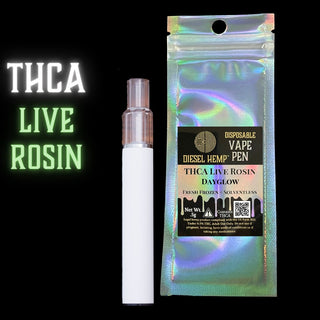
THCA Live Rosin Vape Pen (.5g)
From $44.00
SHOP NOW →THCA Flower – Strawberry 2.1
From $22.00
SHOP NOW →
THCA Flower – Straw Gua Mintz
From $29.00
SHOP NOW →
THCA Flower – Dayglow Mousse
From $29.00
SHOP NOW →
THCA Flower – Super Boof
½oz — $65.00
SHOP NOW →
THCA Pre Roll – King Size
From $9.00
SHOP NOW →Panama Red Strain Genetics & Lineage
- Type: Sativa. Wikipedia calls it "a pure cultivar of Cannabis sativa," and SeedFinder's Anesia Seeds listing calls it "a pure landrace sativa strain named after the country it came from."
- Ancestry: A Panamanian landrace — a population that adapted to local conditions over generations, not a modern cross. The exception is Leafly, which credits the breeder Reeferman and describes the strain with Panama and Colombian parents.
- Versions today: SeedFinder lists roughly 11 different "Panama Red" entries. Anesia Seeds sells a pure sativa line; Equilibrium Genetics sells a CBD-dominant version.
- THC: Leafly lists 17% (plus about 1% CBG); Anesia Seeds lists 21%.
- Aliases: Panamanian Red, P.R., or simply "Red."
- Descendants: Leafly lists Compton Creek and Pan Jam as children.
Where Panama Red came from — and where it went
Wikipedia says Panama Red production was common in the sparsely populated Pearl Islands, off Panama's Pacific coast. A 2023 High Times history is more careful: it reports three conflicting origin accounts — the Pearl Islands, the rainy mountains north of the Panama Canal where "the soil is red to black," and a drier stretch of the Pacific coast — and concludes only that it came from somewhere in Panama. High Times notes the strain was already written about in the 1969 book The Drug Beat, so it was likely circulating for years before that; the year it first reached the U.S. is unknown.
Was it really stronger? Its reputation in the era was higher THC than typical imports, but High Times points out that couldn't be verified at the time. Wikipedia cites a limited test by an Auburn University researcher: seed from the Canal Zone grown at Auburn and in northern New Hampshire produced marijuana with similar THC content — suggesting the strength came from the genetics, not the Panamanian climate.
So where did it go? Wikipedia's short answer: cannabis cultivation died off in Panama with the rise of cocaine trafficking. Leafly adds the grower's side — the strain fell out of favor as growers moved to faster-flowering plants, and a sativa that needs 11 weeks or more to finish was hard to justify against shorter, bulkier indica hybrids. The Panama Red that survives does so through seed-keepers. High Times reports that Equilibrium Genetics' version came from seeds "popped in the 1970s," brought back from Panama by a Peace Corps volunteer (or, in another telling, missionaries) and passed down through Coastal Seeds in California.
Why is it called Panama Red?
Panama for the country, red for the color. Wikipedia attributes the name to its "clay-like red color"; Anesia Seeds describes buds "covered in long thin hairs that can turn red," with leaves and stems that can redden or brown during flowering. High Times notes the red is likely genetic — possibly elevated anthocyanins — whereas Acapulco Gold's color came mainly from how it was grown and cured. Not every phenotype goes red, so green-haired Panama Red is possible.
Panama Red in pop culture
Few strains have a bigger cultural footprint. Per Wikipedia and High Times: The Yellow Balloon released a song called "Panama Red" in 1967; Peter Rowan wrote the better-known "Panama Red," which New Riders of the Purple Sage made the title track of The Adventures of Panama Red in 1973 and Old and In the Way (with Jerry Garcia) recorded live; a 1976 film was titled Panama Red; it turns up in The Fabulous Furry Freak Brothers comix, Van Halen's "Amsterdam," and films from Apocalypse Now to Meet the Parents.
Panama Red Terpene Profile
Leafly lists myrcene as Panama Red's dominant terpene, followed by pinene and limonene. Some grow guides instead put terpinolene and ocimene up front — the bright, herbal pair common in equatorial sativas like Durban Poison and Jack Herer — but they don't cite lab data. With several seed lines sold under one name, expect the profile to vary by source.
Terpene Profile — Relative Intensity
Myrcene — earthy, herbal, tea-like
Pinene — pine, alertness
Limonene — citrus lift, mood
Terpinolene — herbal, bright sativa edge
Typical relative profile for Panama Red — myrcene-led per Leafly. Terpinolene appears in some grow-guide profiles but isn't lab-confirmed; individual seed lines vary.
- Myrcene: Earthy and herbal — the tea-and-earth base of the nose. In Panama Red it doesn't bring the couch-lock it's known for in heavy indicas.
- Pinene: Fresh pine and part of why reviewers describe the high as clear and focused.
- Limonene: The citrus-grapefruit edge some reviewers taste, and part of the happy, talkative lift.
- Terpinolene: Not on Leafly's list, but commonly attributed to Panama Red's herbal, floral sativa side.
The pepper note on the exhale is usually credited to caryophyllene, which shows up in trace amounts in most cannabis.
Appearance
Panama Red looks like a sativa: long, spear-shaped, airy-to-medium-density buds rather than tight indica golf balls. The signature is the pistils — long, thin hairs that ripen from copper to rust-red, sometimes over reddish or brownish sugar leaves. The calyxes are light lime-green, and the trichome coat is lighter than on modern dessert strains. One Leafly reviewer describes genuine Panama Red showing "red sap" and "brick red hairs." If a jar labeled Panama Red is dense, purple and caked in frost, it's probably a modern hybrid borrowing the name.
Aroma and Flavor
Panama Red smells old-school: dried tea, earth and herbs first, then black pepper and a hint of tropical fruit or citrus peel. Leafly's top flavors are tea, pepper and earthy. Reviewers describe a peppery, sweet draw with a smooth finish; Anesia Seeds describes "candy and lemon"; other descriptions add grapefruit and spice. The inhale is herbal and lightly sweet; the exhale is peppery and earthy. It's the opposite of a candy-gas modern strain — subtle, dry and spicy.
Recreational Effects
Panama Red is a head strain. It comes on quickly and lifts mood, energy and conversation more than it relaxes the body. On Leafly, the most-reported effects are:
- Energetic: the headline effect — Leafly calls the effects mostly energizing.
- Talkative: a social, chatty strain; good for gatherings.
- Happy: a bright, euphoric mood lift.
- Focused and creative: reviewers describe being "laser focused" and full of ideas.
Anesia Seeds goes further and calls it "one of the most psychedelic sativa highs" — that's breeder marketing, but it matches the era's reputation for a racy, heady, almost trippy buzz. Wikipedia notes it can also cause anxiety and paranoia in some users.
How the high unfolds: onset, peak and duration
- First 5–15 minutes: a quick head change; one Leafly reviewer describes an initial calm before euphoria arrives at about 15 minutes.
- 15–60 minutes: the peak — energetic, talkative, focused, with minimal body heaviness.
- 1–3 hours: a long, gradual taper rather than a crash. Reviewers often call it long-lasting.
Because it's stimulating, it's a morning or afternoon strain — not something to smoke at 11 p.m.

Panama Red's rust-red pistils next to a vintage brass pipe — a nod to the strain's 1970s heyday.
→ Experience it yourself — shop Diesel Hemp's THCA Flower
How Strong Is Panama Red?
By modern standards, moderate; by 1960s standards, legendary. Panama Red's reputation was built when most imported cannabis was seedy, weak and poorly cured — and nobody had a lab to check. Today's numbers:
- Leafly: 17% THC and about 1% CBG, rated higher than average potency.
- SeedFinder (Anesia Seeds): 21% THC.
- Pacific Seed Bank: "up to about 17%," as quoted in grow guides.
- Equilibrium Genetics: a CBD-dominant line with more CBD than THC — a completely different experience under the same name.
So Panama Red won't match a 30% modern hybrid on paper, but it doesn't need to. Sativa highs like this feel sharper and racier than their THC number suggests, which is why reviewers still warn about overstimulation. Is it the same Panama Red people smoked in 1970? Probably not exactly — the original populations are gone from Panama, and what survives are seed-company preservations.
THCA flower is labeled differently from dispensary flower: the lab reports THCA, which converts to THC when heated, plus a small amount of delta-9 THC. When you compare a Panama Red batch against the 17–21% range above, compare total THC on the COA, not the headline number — our guide on how to read a THCA flower COA walks through the math.
Panama Red vs Similar Strains
- vs Acapulco Gold: the other great import legend of the era, from Mexico. Acapulco Gold is the better-known name and usually the easier one to find; Panama Red is generally described as the sharper, more electric high, and its red color is genetic rather than a product of curing. One long Leafly review ranks Panama Red as harder to find today than either Acapulco Gold or Colombian reds.
- vs Colombian Gold and Colombian red strains: Panama and Colombia were one country until 1903, and Leafly reviewers speculate Panama Red and Colombian reds share landrace roots. Leafly's Reeferman listing even names a Colombian parent.
- vs Durban Poison: High Times compares the two directly — both energizing, cerebral equatorial sativas. Durban Poison is the easier modern find.
- vs Haze, Maui Wowie and Purple Haze: the same era, the same long-flowering, heady sativa family. Haze was built from equatorial sativas of exactly this type.
- vs Strawberry 2.1: a modern, sativa-leaning hybrid with the same uplifting, social daytime character — but ripe strawberry instead of tea and pepper. It's the closest match on our shelf.
Who Panama Red Is (and Isn't) For
Good fit: daytime smokers, social sessions, creative work, and anyone chasing a clear, old-school sativa high — or the taste of cannabis history.
Poor fit: people prone to THC anxiety or racing thoughts, anyone looking for a sleep or body-relief strain, and late-night use. For an easy daytime option we actually stock, Strawberry 2.1 starts from $22.
How to Use Panama Red THCA Flower — and How Much
THCA has to be heated to do anything. Raw, it isn't intoxicating; heat converts it to THC (decarboxylation), which is why the method matters as much as the strain.
- Smoking (joint, pipe, bong): the fastest onset. Take one or two small hits, then wait 10–15 minutes before deciding on more.
- Dry-herb vaporizer: a good way to taste the tea and herbal notes. Around 340–365°F keeps the bright, citrusy top end; higher temps bring out pepper and earth.
- Pre-rolls: the no-prep option — see our THCA pre-rolls.
- Homemade edibles: decarb the flower first. Edibles take 30–120 minutes to kick in and last far longer, so start low and wait the full two hours.
How much? New or occasional users: one small puff, then wait 15 minutes — sativa highs like this can tip into raciness. Regular users usually find two or three hits delivers the full arc. You can always add more; you can't take it back.
Medicinal Benefits
These are uses consumers report on Leafly, not established clinical outcomes. Individual response varies with dose, tolerance and chemotype.
- Low mood: the most-cited reason on Leafly (about 30% of reviewers mention depression).
- Stress: about 25% of reviewers.
- Anxiety: about 24% report help — but energizing sativas can also trigger anxiety, so dose matters.
- Fatigue and motivation: the energetic side makes it a daytime pick for many.
For a plain-language primer on how terpenes are thought to shape these effects, see Project CBD on terpenes. Nothing here is medical advice, and nothing on this page is intended to diagnose, treat, cure or prevent any disease. If you take prescription medication or have a health condition, talk to your doctor before using any cannabis product.
Side Effects and Cautions
- Dry eyes and dry mouth — among Leafly's top negatives.
- Headache — Leafly's other most-reported negative; some reviewers describe head pressure.
- Anxiety, paranoia or overstimulation — Wikipedia notes these in some users, especially at higher doses.
- Dizziness — occasionally reported.
Is Panama Red good for sleep? No — it's stimulating. Don't drive after using it, and talk to your doctor first if you take prescription medication (especially stimulants), are pregnant or nursing, or have a heart condition.
Is It Real Panama Red? How to Judge a Good Bag
- Ask about the source. A seller should name the seed line — Anesia, Equilibrium, Reeferman or another. "Panama Red" with no story is often a rename.
- Sativa structure. Long, spear-shaped buds with rust-red or copper pistils. Dense purple nugs suggest a modern hybrid.
- A current third-party COA naming the lab, with THCA, delta-9 and total THC — and CBD, since a CBD-dominant Panama Red exists. Ours are on the lab results page.
- Tea, pepper and earth on the nose. Candy-sweet gas means it isn't Panama Red.
- A proper cure — hay or grass smell means it was rushed.
Growing Panama Red
Panama Red is a patience strain: a tall, narrow-leafed equatorial sativa that stretches hard and flowers long. It's best for experienced growers with height to spare or a long, warm outdoor season.
- Flowering: Leafly says 11 weeks or more; Anesia Seeds lists about 77 days (10–12 weeks); other guides report up to 14–16 weeks for some phenotypes.
- Yield: Anesia Seeds lists 500–600 g/m² indoors and about 750 g per plant.
- Height: tall — Anesia lists up to 140–200 cm indoors and as much as 350 cm outdoors. Top early and use a trellis.
- Climate: warm and stable; it's a tropical plant. Outdoors in the Northern Hemisphere, harvest runs from mid-October into November.
- Seeds: regular and landrace-style lines from Anesia Seeds and Equilibrium Genetics (CBD-dominant), among others.
Is Panama Red THCA Flower Legal?
Under the 2018 Farm Bill, hemp is federally legal when it contains no more than 0.3% delta-9 THC on a dry-weight basis — see the USDA hemp program. THCA flower is sold under that rule. State laws differ and are changing, so check your state before you order. And whatever the label says, THCA flower will show up on a drug test — heated, it is THC.
Why Buy From Diesel Hemp
- Third-party lab tested — published COAs for our flower on the lab results page
- Grown in Colorado by Diesel Hemp and partner farms — hand-trimmed, slow-cured, shipped fresh
- Federally compliant — under 0.3% delta-9 THC per the 2018 Farm Bill
- Ships direct in discreet packaging — free shipping on orders over $75
- Veterans discount program — proud to support those who served — apply here
Shipping & Legality
Is it legal to ship THCA flower to my state?
In its raw form our flower contains less than 0.3% delta-9 THC, making it federally compliant under the 2018 Farm Bill. Some states restrict high-THCA hemp products — check your local laws before ordering.
How does shipping work?
Orders ship direct in discreet packaging with tracking. Free shipping on orders over $75 — a ½oz plus a $9 King Size Pre Roll gets you there.
Questions about your order?
Call 833-375-3835 or email info@dieselhemp.com — real humans in Colorado.
Shop Premium Flower at Diesel Hemp
- Strawberry 2.1 THCA Flower — a sativa-leaning, uplifting daytime strain — strawberry instead of tea and pepper.
- THCA Flower — the full lineup, grown in Colorado by Diesel Hemp and partner farms.
- THCA Pre-Rolls — the same flower, pre-rolled.
- THCA Small Buds — same genetics, smaller nugs, better price per gram.
- What THCA flower actually is — the encyclopedia explainer.
Frequently Asked Questions
Is Panama Red indica or sativa?
Sativa. Most sources — Wikipedia, SeedFinder and Leafly — describe it as a pure or near-pure Panamanian landrace sativa, with energetic, cerebral effects and little body weight.
How strong is Panama Red?
Leafly lists 17% THC and Anesia Seeds 21%. That's moderate by modern standards, but the racy sativa high can feel stronger than the number suggests. A CBD-dominant version from Equilibrium Genetics also exists.
Why is it called Panama Red?
It came from Panama, and its pistils (and sometimes leaves) turn a rust or clay-like red. High Times notes the red is likely genetic rather than a result of curing.
What happened to Panama Red?
Per Wikipedia, cannabis cultivation died off in Panama with the rise of cocaine trafficking. Growers also moved to faster-flowering indica hybrids. Today it survives through seed companies like Anesia Seeds and Equilibrium Genetics.
Is Panama Red a landrace?
Generally yes — Wikipedia and SeedFinder describe it as a pure landrace sativa. Leafly's Reeferman listing is the exception, naming Panama and Colombian parents, and modern seed lines vary.
What does Panama Red taste like?
Tea, pepper and earth, with herbal spice and a light tropical or citrus edge. Anesia Seeds describes candy and lemon notes.
What is the difference between Panama Red and Acapulco Gold?
Both are 1960s–70s import legends. Acapulco Gold came from Mexico; Panama Red from Panama. Panama Red is usually described as the sharper, more energetic high, and its red color is genetic, while Acapulco Gold's gold came largely from how it was grown and cured.
Is Panama Red good for anxiety?
It's mixed. About 24% of Leafly reviewers say it helps with anxiety, but energizing sativas can also cause anxiety or paranoia. Start with a very small dose.
Is Panama Red good for sleep?
No. It's an energetic, daytime strain.
Is Panama Red good for beginners?
With care. The THC is moderate, but the high can be racy. Take one small puff and wait 15 minutes.
How long does Panama Red take to flower?
Leafly says 11 weeks or more; Anesia Seeds lists about 77 days; some phenotypes run 14 weeks or longer. Outdoors, it finishes from mid-October into November.
Is there a song called Panama Red?
Yes, more than one. Peter Rowan wrote the best-known 'Panama Red,' the title track of New Riders of the Purple Sage's 1973 album The Adventures of Panama Red. The Yellow Balloon also released a song by that name in 1967.
Where can I buy Panama Red THCA flower online?
Panama Red isn't in the Diesel Hemp shop right now. The closest match is Strawberry 2.1 THCA Flower — a sativa-leaning hybrid with the same uplifting, social daytime character (ripe strawberry in place of tea and pepper), from $22, third-party lab tested, with free shipping over $75.
Closest sativa-leaning daytime match in stock · from $22 · free shipping over $75
Related Strains
- Acapulco Gold — the other 1960s–70s import legend, from Mexico.
- Durban Poison — a pure, energizing landrace sativa High Times compares it with.
- Haze — the '70s sativa built from equatorial landraces like this one.
- Maui Wowie — another classic tropical sativa of the era.
- Purple Haze — the psychedelic-era sativa with a famous name.
- Jack Herer — a heady, terpinolene-forward sativa classic.
- Green Crack — a modern energetic daytime sativa.
- Strawberry 2.1 — our closest in-stock sativa-leaning match.
- Browse the Full Diesel Hemp Encyclopedia
From $22 · sativa-leaning daytime lift


