


Every strain on a modern menu traces back to a handful of landraces. We don't sell a pure landrace — almost nobody does — but our Colorado-grown THCA flower comes from the hybrids they produced. Ice Cream Cake is the current pick, from $110 $34. Shop Ice Cream Cake →
Landrace Strains: What They Are, Where They Come From and Whether Any Are Left
A landrace strain is a cannabis population that developed in one region over many generations, shaped by the local climate and local farmers rather than by a modern breeding program. Hindu Kush, Afghani, Thai, Durban Poison and Acapulco Gold are the best-known names. They matter because every hybrid sold today — including every THCA flower we carry — descends from them.
The short answers most people want: true landraces still exist but are rare and getting rarer; they are usually less potent than modern hybrids, not more; and most "landrace" flower you can actually buy is an heirloom grown far from home. The details are below.
Shop Diesel Hemp
Not landraces — the modern flower that came from them.
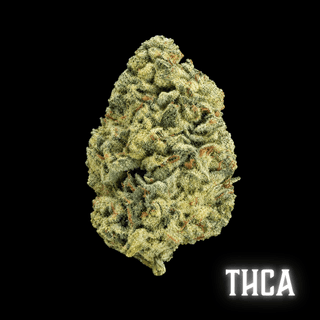
THCA Flower - Kush Mints
From $69.00
SHOP NOW →
THCA Flower – Ice Cream Cake
From $34.00
SHOP NOW →
THCA Flower – Dayglow Mousse
From $29.00
SHOP NOW →
THCA Flower – Straw Gua Mintz
From $34.00 $29.00
21+ only. We do not ship to Colorado. Free shipping on orders over $75.
Landrace Strains at a Glance
| Question | Short answer |
|---|---|
| What is a landrace? | A local cannabis population adapted to one region over many generations, never crossed with outside genetics. |
| Where do they come from? | "Indica" types from Central Asia (Afghanistan, Pakistan); "sativa" types from South Asia, later carried to Southeast Asia, Africa and the Americas. |
| Are they more potent? | Usually not. Pure landraces tend to test in the teens for THC or lower; many modern hybrids pass 20%. |
| Do any still exist? | Yes, but they are rare. Researchers describe the original populations as critically endangered by hybridization. |
| How many are there? | No official count. Guides name anywhere from a dozen to 30-plus; seed collectors describe hundreds of local populations. |
| Landrace vs. heirloom? | An heirloom is landrace genetics grown outside its home region — same lineage, different environment. |
Sources were read in full or in abstract on November 13, 2026. They are listed at the end of this article.
What Is a Landrace Strain?
Merriam-Webster defines a landrace as a local variety of a species — plant or animal — that has adapted over time to the place it lives. In cannabis, that means a population that grew in one region for centuries, open-pollinated, with farmers saving seed from the plants that did best there. Nobody sat down and crossed two named parents.
That history is why landraces are usually named for places: Hindu Kush for a mountain range, Durban Poison for a South African port, Acapulco Gold for a Mexican city. Leafly borrows a wine word for it — terroir. The place is part of the plant.
The one-line version: a hybrid is a recipe someone wrote. A landrace is what a region grew on its own for a few hundred years.
Where Do Landrace Strains Come From?
The best scientific account is a 2020 paper in PhytoKeys by John McPartland and Ernest Small, who examined about 1,100 herbarium specimens along with published chemical and genetic data. Their classification puts the two drug-type groups in two places:
- "Sativa" landraces trace to South Asia — India — and were carried early on to Southeast Asia, Africa and the Americas. These are the tall, narrow-leaf, long-flowering plants.
- "Indica" landraces trace to Central Asia — Afghanistan, Pakistan and Turkestan. These are the short, broad-leaf, resin-heavy plants traditionally grown for hashish.
Climate did the first round of sorting, and farmers did the second. The paper also notes a chemical difference: the South Asian group carried far more THC relative to CBD than the Central Asian group did. For more on how those two labels are used today, see indica vs sativa.
The Landrace Strains List, by Region
These are the names that show up again and again in landrace guides from Leafly, Weedmaps and others. Where we have a full strain page, it's linked.
| Landrace | Home region | Type | Known for |
|---|---|---|---|
| Hindu Kush | Afghanistan–Pakistan mountains | Indica | Heavy resin; the classic hash plant |
| Afghani / Afghan Kush | Afghanistan | Indica | Short, dense, sedating; backbone of modern indicas |
| Nepalese | Nepal | Varies | Traditional hand-rubbed hash |
| Thai | Thailand | Sativa | Tall, slow, citrusy; a parent of the Haze line |
| Durban Poison | South Africa | Sativa | Energetic; the easiest landrace name to find |
| Acapulco Gold | Mexico | Sativa | Golden color, 1960s fame |
| Colombian Gold | Colombia | Sativa | Old-school export sativa; a Skunk ancestor |
| Panama Red | Panama | Sativa | Red hairs, long flowering |
| Lamb's Bread | Jamaica | Sativa | The Jamaican classic |
A few caveats. Maui Wowie and other Hawaiian varieties are often put on these lists, but cannabis isn't native to Hawaii — they're better called heirlooms. And Weedmaps makes the purist's argument that, strictly speaking, only the Hindu Kush population is a true landrace, because everything else descends from plants that people moved.

Landrace vs. Heirloom: What's the Difference?
A landrace is still growing where it developed. An heirloom is that same genetic line grown somewhere else. Weedmaps puts a number on it: an heirloom is a landrace with stable genetics that people have cultivated for at least 50 years outside its original environment. Leafly's version is simpler — heirlooms keep the landrace genetics but lose the terroir.
This matters when you shop. A jar of "Durban Poison" grown indoors in the U.S. is an heirloom at best. It can still be excellent. It just isn't the plant a farmer outside Durban would recognize.
Are Landrace Strains More Potent?
No — usually the opposite. Leafly says a true landrace will most likely be less potent than what's on shelves now, because modern strains have been bred for potency. The Cannigma's review of landrace seed lines found most pure landraces average THC in the teens or below, while many hybrids run above 20%. Its seed listings show Durban Poison at 17.8% THC and Acapulco Gold at 13.7%.
What landraces offer instead is a different shape of effect. Growers who preserve them describe terpene and minor-cannabinoid combinations that got bred out in the race for THC. If you're comparing lab numbers on modern flower, start with what a good THCA percentage is.
Are Landrace Strains Better?
They're different, not better. A landrace is a snapshot of one place — distinctive, variable from plant to plant, and often slow to flower. A modern hybrid is more consistent, stronger and easier to grow indoors. If you want maximum potency and bag appeal, hybrids win. If you want to taste where cannabis came from, a well-grown heirloom is worth hunting down.
Do Landrace Strains Still Exist?
Yes, but fewer every year. McPartland and Small write that the two original groups have been crossed so widely over the past 50 years that the differences between "sativa" and "indica" in today's market have been wiped out, and they call the remaining landrace populations critically endangered and in urgent need of conservation.
The threat runs both ways. Western breeders took landrace seed home in the 1960s and 70s — and modern hybrid seed has since flowed back into the traditional growing regions, crossing with what was there. The Cannigma's evidence review reaches the blunt conclusion that most strains marketed as landraces have been interbred with other genetics. As Dutch Passion puts it, the buyer simply has to trust the vendor.
How Many Landrace Strains Are There?
There's no official registry. Consumer guides typically name 10 to 15. Leafwell reports more than 30. Seed collectors talk about hundreds of distinct local populations across Asia, Africa and Latin America, most of which never got a market name. The honest answer: a few dozen famous ones, and an unknown number that were never catalogued.
How Landraces Became Today's Strains
Weedmaps dates the first deliberate hybrids to the 1970s and 80s, when breeders began crossing landraces from different continents. Until then, Leafly notes, most cannabis smoked in the West was narrow-leaf "sativa." The arrival of short, fast Afghan plants changed everything — suddenly a tall tropical sativa could be made to finish indoors. The family tree, as it's commonly told:
- Skunk #1 — Afghani crossed with Acapulco Gold and Colombian Gold; one of the first stabilized hybrids.
- Haze — a blend of tropical sativa landraces, including Thai, Colombian and Mexican lines.
- Northern Lights — Afghani with Thai.
- Blueberry — Afghani with Thai lines.
- GSC — OG Kush with Durban Poison, and from there most of the Cookies, Cake and Gelato families.
Follow almost any modern strain back far enough and you land on one of the names in the table above.
From the family tree to your door
Ice Cream Cake sits at the far end of that tree — a Cookies-family hybrid with grape and berry aromatics, creamy undertones and a gassy finish. Grown in Colorado by Diesel Hemp and partner farms, third-party lab tested, from $110 $34.
21+ only. We do not ship to Colorado. Free shipping on orders over $75. View lab results.
What Is the Best Landrace Strain?
It depends on what you want from it:
- Best landrace sativa to actually find: Durban Poison. It's the most widely grown landrace name and keeps its energetic character.
- Best landrace indica: Hindu Kush or Afghani — the resin-heavy mountain plants behind nearly every modern indica.
- Best for history: Acapulco Gold, Colombian Gold and Panama Red, the famous imports of the 1960s and 70s.
How to Shop for Landrace or Heirloom Flower
- Assume it's an heirloom. Unless it was grown in its home region, it is one. That's fine.
- Ask where the seed came from. Preservation-focused seed collectors document region and collection year. "Landrace" with no backstory is a marketing word.
- Expect modest THC. A landrace-type flower testing in the mid-teens is normal, not a defect.
- Read the COA either way. Lab results tell you more than a name ever will. Ours are on the lab results page.
The Short Version
Landraces are the regional cannabis populations — Afghan and Hindu Kush indicas, Thai, African and Latin American sativas — that every modern strain descends from. They're milder than today's hybrids, harder to find and, according to the researchers who study them, critically endangered. Most "landrace" flower for sale is heirloom. And the hybrids on today's shelves, including our THCA flower, are their direct descendants.
Frequently Asked Questions
What is a landrace strain?
A landrace strain is a cannabis population that developed in one geographic region over many generations, adapted to local conditions and never crossed with outside genetics. Hindu Kush, Thai and Durban Poison are examples.
Are there any landrace strains left?
Yes, but they are rare. Researchers John McPartland and Ernest Small describe the original landrace populations as critically endangered because of widespread hybridization over the past 50 years.
Do landrace strains still exist?
They exist in their home regions and in preservation seed collections. Most flower sold as landrace elsewhere is heirloom — landrace genetics grown outside the original environment — and many have been interbred.
Are landrace strains more potent?
Generally no. Pure landraces usually test in the teens for THC or lower, while many modern hybrids exceed 20%. Modern strains were bred specifically for higher potency.
Are landrace strains better?
They are different rather than better. Landraces offer distinctive regional character but less potency and consistency than modern hybrids.
How many landrace strains are there?
There is no official count. Guides name from about a dozen to more than 30, and seed collectors describe hundreds of local populations that were never formally named.
What is the best landrace strain?
Durban Poison is the most widely available landrace sativa. Hindu Kush and Afghani are the best-known landrace indicas.
What is the best landrace indica variety?
Hindu Kush and Afghani, from the mountains of Afghanistan and Pakistan, are the classic landrace indicas and the ancestors of most modern indica hybrids.
What is the difference between a landrace and an heirloom strain?
A landrace grows in the region where it developed. An heirloom is the same genetic line cultivated somewhere else — Weedmaps says for at least 50 years outside its original environment.
Does Diesel Hemp sell landrace strains?
No. Diesel Hemp sells modern THCA flower grown in Colorado by Diesel Hemp and partner farms. Those hybrids descend from landrace genetics.
About the author
Marc Brannigan is COO & co-founder of Diesel Hemp and has been cultivating cannabis for over 25 years — from founding Los Suenos, a large outdoor cannabis farm in southern Colorado, to CBDRx, whose hemp crop earned USDA organic certification in 2015. He oversees breeding, cultivar selection, and every product Diesel Hemp grows. Diesel Hemp's flower is grown in Colorado by Diesel Hemp and partner farms and ships with third-party lab results. Meet the whole team →
Research sources checked November 13, 2026: McPartland & Small 2020 (PhytoKeys 144:81–112); Merriam-Webster, "landrace"; Leafly, "What is a cannabis landrace strain?" (Adam Pallay, updated June 2024); Weedmaps Learn, "What are landrace strains?"; The Cannigma landrace reviews; Leafwell and Dutch Passion landrace guides.


