


What Is a Good THCA Percentage? The Real Tiers, With Lab Numbers
A good THCA percentage for flower is 20–30%. Under 15% is mild, 15–20% is mid-shelf, 20–25% is strong, 25–30% is top-shelf, and anything much above 32% on pure flower deserves a hard look at the lab report. Concentrates run far higher — live rosin 70–90% THCA, diamonds 95–99% — so the "good" number depends entirely on the product. Multiply any THCA figure by 0.877 to get the THC you'll actually feel after heat.
We sell THCA flower and press live rosin, and every batch comes back from the lab with a number we have to explain to customers. This is that explanation — what the percentage measures, what counts as high, why the biggest number is often not the best flower, and how to read the figure on a real certificate of analysis.
Shop Diesel Hemp
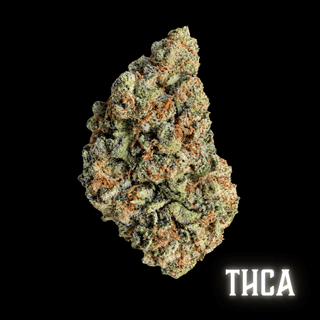


THCA Percentage Tiers by the Numbers
| Product | THCA range | What it means |
|---|---|---|
| Flower — mild | Under 15% | Entry-level; fine for new users, light sessions |
| Flower — mid-shelf | 15–20% | Solid everyday flower |
| Flower — strong | 20–25% | What most people mean by "high THCA" |
| Flower — top-shelf | 25–30% | Elite genetics, indoor or well-run greenhouse |
| Flower — exceptional | 30–34% | Rare but real on a verified COA |
| Flower — suspicious | 35%+ | Likely sprayed, lab-shopped, or mislabeled |
| Live rosin | 70–90% | Solventless; the rest is terpenes and minor cannabinoids |
| Live resin / badder | 60–85% | Full-spectrum hydrocarbon extracts |
| THCA diamonds | 95–99% | Isolated crystals; near-zero terpenes |
| THCA → THC conversion | × 0.877 | 30% THCA ≈ 26.3% THC after heat |
Sources: USDA Domestic Hemp Production Program final rule (0.877 conversion factor, total THC definition); Wang et al., Cannabis and Cannabinoid Research (2016) — decarboxylation of THCA; Diesel Hemp batch certificates of analysis from Badger Labs (ISO 17025), linked on each product page.
What Does a THCA Percentage Actually Measure?
The number on the label is the share of the flower's dry weight that is tetrahydrocannabinolic acid. A 25% THCA bud is one-quarter THCA by mass. The lab measures it with high-performance liquid chromatography (HPLC), which reads the acid form directly without heating the sample — that's why you see THCA on a hemp COA rather than THC.
THCA itself is non-intoxicating. It becomes delta-9 THC when heated, and in the process it loses a carboxyl group as CO2, which is why the USDA's conversion factor is 0.877: a THC molecule weighs 87.7% of a THCA molecule. The total THC your lungs receive is:
Total THC = (0.877 × THCA%) + delta-9 THC%
So the "percent" you feel is always a bit under the "percent" on the jar. If you want the full walkthrough of a lab report, read How to Read a THCA Flower COA.
Two Real COAs, Worked
Abstract tiers are easy to argue about. Here are two batches from our own shelf, with the numbers straight off the Badger Labs reports linked on each product page.
| Batch | THCA | Delta-9 THC (raw) | Total THC after heat |
|---|---|---|---|
| Lemon Cherry Gelato flower | 33.18% | 0.20% | 29.29% |
| Super Boof flower | 25.66% | 0.22% | 22.72% |
| Dayglow Mousse live rosin | 86.72% | — | 76.18% |
Three things to notice. The 33% Lemon Cherry Gelato is an exceptional result for flower — and it's still "hemp" on paper because its raw delta-9 is 0.20%. The 25.7% Super Boof is what a good top-shelf batch usually looks like. And the rosin, at 86.7% THCA, is more than three times as potent per gram as either flower, which is why a dab is a fraction of the size of a bowl.
Will 20% THCA Get You High? Will 30%?
Yes to both — and the gap between them is smaller than the numbers suggest. A 20% bud delivers roughly 17.5% THC after heat; a 30% bud delivers about 26%. That's a 50% difference in potency, but most people compensate without thinking: they take one fewer hit. Where the number really matters is tolerance and intent:
- New or occasional users: 15–20% THCA is plenty. Above that, it's easy to overshoot on a single joint.
- Regular users: 20–28% is the sweet spot — strong enough to register, with enough terpene content to make the session interesting.
- High tolerance: 28%+ flower, or skip to diamonds and rosin, where a rice-grain dab outdoes a bowl.
→ Every batch posts its COA — shop Diesel Hemp's THCA Flower
Why a Higher THCA Percentage Isn't Always Better
Anyone who has smoked a 31% bud that felt flat and a 22% bud that floored them already knows this. Three reasons the number lies:
- Terpenes steer the effect. THC sets the ceiling; terpenes decide what the high feels like and how hard it lands. A myrcene-heavy 22% indica can feel heavier than a limonene-dominant 30% sativa. Total terpene content above about 2% is a better predictor of a memorable session than two extra points of THCA.
- Minor cannabinoids add up. CBG, THCV, CBC and a touch of CBD change the texture of the high. A COA that shows 26% THCA and 2% of everything else is usually a better smoke than 30% THCA and nothing else.
- Breeding for the number costs you elsewhere. Cultivars selected purely for THCA often give up flavor, bag appeal, and yield. The strains that stay famous — Runtz, GSC, Sour Diesel — are famous for how they taste and feel, not for testing in the 30s.
What's the Strongest THCA Flower You Can Buy?
Honestly tested, pure flower tops out in the low-to-mid 30s. Our Lemon Cherry Gelato at 33.18% is near the ceiling of what a plant produces; a few verified cuts have crossed 35%, but they're rare, and they tend to be small-batch indoor from a handful of breeders. If a listing shows 38–45% THCA on flower, one of three things is true: the bud was sprayed or dusted with THCA isolate, the lab was chosen for flattering results, or the number was typed by hand. Ask for the batch-matched COA and check that THCA plus every other cannabinoid plus moisture plus plant matter still adds up to 100%.
How to Check the THCA Percentage Before You Buy
- Find the COA on the product page and open the PDF — not a screenshot.
- Match the batch number on the report to the one on the bag or jar.
- Read THCA and delta-9 separately, then run the 0.877 math yourself.
- Check the date. THCA slowly converts and terpenes evaporate; a report older than about a year describes different flower.
- Look at the rest of the panel. Terpenes (if tested), residual solvents (for concentrates), heavy metals, pesticides, microbials.
- Check the lab. Named, third-party, ISO 17025 accredited. Ours is Badger Labs.
Does THCA Percentage Change Over Time?
Yes, in two directions. Slowly, THCA converts to THC in the jar (heat and light speed this up), so an old bud tests lower in THCA and higher in delta-9. Over a longer stretch, THC itself degrades to CBN, which is sedating and not very intoxicating — the "old weed makes you sleepy" effect. Stored airtight, cool and dark at 58–62% relative humidity, a well-cured bud holds most of its potency for six months to a year.
A Note on the Law and the Number
The THCA percentage is also why this category exists — and why it's ending. Through December 10, 2026, hemp is defined federally by delta-9 THC alone (0.3% dry weight), so a 33% THCA flower with 0.20% delta-9 is lawful hemp. From December 11, 2026, the definition changes to total THC including THCA at 0.3%, which no THCA flower meets. Here's where that stands. Diesel Hemp products are for adults 21+, we ship only where lawful, and we don't ship to Colorado.
Frequently Asked Questions
What percentage of THCA is high?
Above 20% THCA is considered high for flower; 25–30% is top-shelf, and 30%+ is exceptional. For concentrates the scale is different: live rosin runs 70–90% and diamonds 95–99%.
What is a good THCA percentage for flower?
20–30%. That range delivers a strong, full-flavored experience without the trade-offs that come with chasing the highest possible number. New users do well at 15–20%.
Will 20% THCA get you high?
Yes. A 20% THCA bud converts to about 17.5% THC when smoked or vaped — comparable to typical dispensary flower and more than enough for a strong high.
Is 30% THCA a lot for flower?
Yes. 30% THCA (about 26% THC after heat) is top-shelf territory and near the practical ceiling for pure flower. Most verified batches land between 20% and 30%.
What is the strongest THCA flower?
Honestly tested flower tops out in the low-to-mid 30s; Diesel Hemp's Lemon Cherry Gelato batch tested at 33.18%. Claims of 38–45% on pure flower usually mean sprayed product or a questionable lab.
How do you calculate THC from THCA percentage?
Multiply THCA by 0.877 and add any delta-9 THC already present: total THC = (0.877 × THCA%) + delta-9%. A 25% THCA bud with 0.2% delta-9 yields about 22.1% total THC.
Is THCA as strong as THC?
Once heated, yes — THCA becomes delta-9 THC, the same molecule in dispensary cannabis. Gram for gram, THCA flower is about 12% less potent than its label number because of the mass lost in conversion.
What is a good THCA percentage for live rosin and vapes?
Live rosin typically tests 70–90% THCA; a strong batch is in the 80s. Live rosin vape pens fall in the same range. Distillate carts can read 90%+ but have had their natural terpenes removed and re-added.
What THCA percentage is best for beginners?
15–20% THCA. It's strong enough to feel clearly but forgiving if you take one hit too many. Start with a single puff and wait ten minutes.
Does THCA percentage drop over time?
Slowly, yes. THCA converts to THC in storage, and THC eventually degrades to sedating CBN. Airtight, cool, dark storage at 58–62% humidity keeps most of the potency for six months to a year.
Why does my 25% THCA flower feel stronger than 30% dispensary flower?
Terpenes and minor cannabinoids. A fresh, terpene-rich 25% bud often hits harder than a dry, terpene-poor 30% bud because terpenes shape how THC is experienced. The percentage is a ceiling, not the whole story.
Related Entries
- THCA Flower — what it is, how it's grown and why it's legal on paper.
- THCA Diamonds — the 95–99% end of the scale.
- Does THCA Get You High? — what those percentages feel like once lit.
- How to Read a THCA COA — the full lab-report walkthrough.
- Does THCA Show Up on a Drug Test? — the other question the percentage raises.
- Lemon Cherry Gelato and Super Boof — the two strains behind the worked COAs above.
- Myrcene, Limonene, Caryophyllene — the terpenes that matter more than two points of THCA.
- Browse the Full Diesel Hemp Encyclopedia
About the author
Marc Brannigan is COO & co-founder of Diesel Hemp and has been cultivating cannabis for over 25 years — from founding Los Suenos, a large outdoor cannabis farm in southern Colorado, to CBDRx, whose hemp crop earned USDA organic certification in 2015. He oversees breeding, cultivar selection, and every product Diesel Hemp grows. Diesel Hemp's flower is grown in Colorado by Diesel Hemp and partner farms and ships with third-party lab results. Meet the whole team →
Reviewed October 26, 2026. Batch figures are from the certificates of analysis linked on each product page and change with every harvest. This article is for education only. Cannabis products are for adults 21+.


