


Building a night routine? Our full-spectrum CBD soft gels give you a fixed 25 mg per capsule, made from Diesel Hemp's own strain-specific hemp extract, for $29 $22. Shop CBD soft gels →
CBN for Sleep: What the Studies Actually Show (2026)
CBN (cannabinol) has some evidence for sleep, but less than the labels suggest. In the largest CBN-only trial so far, 20 mg of CBN taken nightly for seven nights cut nighttime awakenings and overall sleep disturbance compared with placebo (293 adults analyzed), but did not help people fall asleep faster. In a 2026 sleep-lab trial, 300 mg of CBN shortened the time to fall asleep, while 30 mg did nothing measurable.
That is the honest summary of the human research as of November 9, 2026. Below: every human CBN sleep trial in one table, the doses researchers actually used, how CBN compares with CBD and THC, gummies vs tincture vs oil, how to take it, side effects, drug tests, and 11 FAQs.
Disclosure: Diesel Hemp sells hemp-derived CBD, THC and cannabinoid products, so we have a stake in this topic. That is why this page tells you what the trials found, including where they found nothing, and every number below links to the study it came from.
By Marc Brannigan, COO & co-founder of Diesel Hemp · Updated November 9, 2026 · Part of our cannabis and sleep series
Shop Diesel Hemp
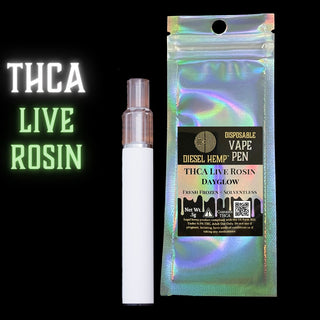
Live Rosin Disposable Vape Pen (.5g) — THCA
From $39.00
SHOP NOW →
Full-Spectrum CBD Soft Gels (25mg)
$29 $22

Full-Spectrum CBD Gummies (20mg)
$14.99
SHOP NOW →
THCA Flower – Mule Fuel
$89 $75

THCA Flower – Permanent Marker
$89 $65
21+ only. We do not ship to Colorado. Free shipping on orders over $75. All sales are final, except a broken vape device is replaced.
CBN Sleep Research at a Glance
| Study (year) | Who | What they took | What happened |
|---|---|---|---|
| Bonn-Miller et al. (2024) | 293 adults with poor sleep (analyzed) | 20 mg CBN alone, or 20 mg CBN + 10, 20 or 100 mg CBD, nightly for 7 nights | 20 mg CBN reduced awakenings and overall sleep disturbance vs placebo. No change in time to fall asleep, time awake after falling asleep, or next-day fatigue. Adding CBD did not improve results |
| Lavender et al., CUPID trial (2026) | 20 adults with diagnosed insomnia, sleep lab | One oral dose: 30 mg or 300 mg CBN, or placebo | Neither dose changed the main outcome (time awake after falling asleep). 300 mg shortened time to fall asleep and improved rated sleep quality; 30 mg showed no significant effect |
| Kolobaric et al. (2024) | About 1,020 adults across 5 groups | 25, 50 or 100 mg of a branded CBN ingredient (TruCBN), 4 mg melatonin, or placebo | All three CBN doses and melatonin improved sleep disturbance scores vs placebo; no CBN dose beat melatonin |
| Walsh et al. (2021) | 23 adults with chronic insomnia | Sublingual oil with 10 mg THC + 1 mg CBN + 0.5 mg CBD, nightly for 2 weeks | Insomnia Severity Index fell 5.07 points vs placebo; people reported 64.6 more minutes of sleep. Mostly a THC product |
| Karniol et al. (1975) | 5 male volunteers | 50 mg CBN alone, THC alone, and combinations | CBN alone: no "drowsy" or "drugged" feeling. With THC, people felt more drowsy and drugged than on THC alone |
Sources linked in each row. Study details are from the published abstracts and, where open access, the full text, read November 9, 2026.
The dose gap: a 2021 review found that CBN sleep products typically contained 5 mg or less per serving, well below the 20 to 300 mg used in the trials that later found effects. (Corroon, Cannabis and Cannabinoid Research, 2021)
What Is CBN?
CBN, or cannabinol, is a minor cannabinoid that forms when THC breaks down with oxygen over time. The 2026 CUPID paper describes it as "an oxidative by-product" of delta-9 THC. That is why old, poorly stored cannabis tends to carry more CBN, and why "aged weed makes you sleepy" became a popular belief long before anyone tested it.
Most CBN sold today is not pulled from old flower. It is made from hemp extract and sold as an isolate or blended with CBD, sometimes with melatonin or herbs added. If you want the chemistry of the plant's main cannabinoids first, start with our encyclopedia pages on delta-9 THC, THCA vs THC and CBG, the "mother" cannabinoid. A full CBN encyclopedia entry covers the molecule itself.
How CBN works in the body
CBN binds the body's CB1 cannabinoid receptors far more weakly than THC does. The interesting finding came from a 2025 rat study: when animals were given CBN, their bodies turned it into a metabolite, 11-hydroxy-CBN, which reached brain levels as high as CBN itself and was active at CB1 receptors with potency comparable to delta-9 THC. The researchers suggested this metabolite may explain part of CBN's sleepy effect. That is an animal result, not proof for people, but it gives a plausible reason CBN taken by mouth could act differently from CBN in a lab dish.
Does CBN Actually Help With Sleep?
It may help some people stay asleep, but the evidence is small and mixed. One trial of 293 adults found 20 mg of CBN reduced nighttime awakenings, one sleep-lab trial found only a very high 300 mg dose helped people fall asleep faster, and no trial has tested CBN for longer than about a month.
Here is what each study tested and what it found.
The 20 mg trial: fewer wake-ups, no faster sleep
The most-cited CBN study is a double-blind, placebo-controlled trial run in 2022 and published in Experimental and Clinical Psychopharmacology. Adults aged 18 to 55 who rated their sleep as "poor" or "very poor" took one of five products for seven nights: placebo, 20 mg CBN, or 20 mg CBN plus 10, 20 or 100 mg CBD.
Compared with placebo, 20 mg of CBN alone significantly reduced the number of times people woke during the night and their overall sleep disturbance score. Its effect on overall sleep quality (odds ratio 2.26) did not reach statistical significance. It did not shorten the time it took to fall asleep, did not cut total time awake after first falling asleep, and did not cause next-day fatigue. Adding CBD at any dose did not make CBN work better.
That last point matters, because a lot of "CBD + CBN" products are sold on the idea that the two work better together. In this trial they did not.
The CUPID trial: 300 mg helped, 30 mg did not
The first study to measure CBN's effect on sleep with overnight polysomnography (brain waves, breathing and movement in a sleep lab) came out of the Woolcock Institute in Sydney. Twenty adults with physician-diagnosed insomnia each took a single oral dose of 30 mg CBN, 300 mg CBN, or placebo, two weeks apart.
The main outcome, minutes awake after first falling asleep, did not change significantly at either dose (−6.3 minutes at 300 mg, −4.0 minutes at 30 mg). But 300 mg did shorten the time it took to fall asleep, increased light N2 sleep, reduced brain "arousals," and improved how well people said they slept. The 30 mg dose, which is closer to what is sold in stores, showed no significant effects. The trial also logged 247 mild-to-moderate adverse events across all three arms, including placebo nights. The team's published protocol lays out the method if you want to dig in.
The TruCBN trial: 25 to 100 mg matched melatonin
A large five-arm trial tested a branded hemp-derived CBN ingredient, TruCBN, at 25 mg (206 people), 50 mg (205) and 100 mg (203) against 4 mg of melatonin (202) and placebo (204). All CBN groups and the melatonin group reported better sleep disturbance scores than placebo, with no significant difference between CBN and melatonin. The 100 mg group also reported a larger drop in stress. This was a remote trial using self-reported questionnaires, not a sleep lab, and it tested one company's ingredient.
The THC + CBN oil trial
An Australian crossover trial gave 23 adults with chronic insomnia a sublingual oil nightly for two weeks. Each dose held 10 mg THC, 1 mg CBN and 0.5 mg CBD. Compared with placebo, insomnia severity dropped by 5.07 points and people reported 64.6 more minutes of sleep per night, with 40 mild side effects (36 on the active oil). It is often cited as a "CBN study," but with ten times more THC than CBN, it says more about THC than about CBN.
What the reviews say
- A 2026 meta-analysis in Sleep Medicine pooled 10 randomized trials (2,134 people) of cannabinoids in general. They lowered insomnia severity by 3.73 points, added about 34 minutes of total sleep, and cut time to fall asleep by about 12 minutes. Side effects, mostly mild dizziness and dry mouth, were about 4 times more common than on placebo.
- A 2026 systematic review for nurse practitioners concluded that CBN doses of 20 to 100 mg and CBD doses of 50 to 300 mg were safe and effective for improving sleep in the studies it reviewed, and advised patients to start low with CBN or CBN/CBD.
- A 2026 commentary on older adults warned that evidence for CBN and CBD in sleep "remains sparse" and that almost no studies enroll people over 50.
Put together: there is real, if early, human data that CBN can help some people sleep. The effect looks modest, depends on dose, and has never been tested for months at a time.

How Much CBN Should I Take for Sleep?
There is no official CBN dose. The human trials that found effects used 20 mg nightly, 25 to 100 mg nightly, or a single 300 mg dose; a 30 mg single dose showed no measurable effect in a sleep lab. Many store products contain far less.
| Dose | Where it comes from | What it showed |
|---|---|---|
| 5 mg or less | Typical CBN sleep product per serving, per a 2021 review | Not tested in any placebo-controlled sleep trial |
| 20 mg nightly | Bonn-Miller 2024 | Fewer awakenings and less sleep disturbance; no faster sleep onset |
| 25, 50, 100 mg nightly | Kolobaric 2024 | Better self-reported sleep vs placebo, similar to 4 mg melatonin |
| 30 mg once | CUPID 2026 | No significant effect in a sleep lab |
| 300 mg once | CUPID 2026 | Fell asleep faster, better rated sleep quality; no change in time awake overnight |
For comparison, product labels on the market today range widely. Charlotte's Web sells a 20 mg CBN gummy, matching the trial dose, and Neurogan lists 100 mg of CBN per gummy. CBN tinctures we saw in search listings ran from about 40 mg per mL to bottles labeled 1,000 mg or more.
A practical way to start
- Pick a product that states CBN in milligrams per serving, not just "per bottle."
- Start near the lowest studied dose (about 20 mg) and keep it the same for several nights before judging it. The 20 mg trial ran seven nights.
- Change one thing at a time. If your product also contains CBD, THC or melatonin, you will not know which ingredient is doing the work.
- Talk to a doctor first if you take any prescription medicine, are pregnant or nursing, are over 65, or have a diagnosed sleep disorder such as sleep apnea.
Going the THC route instead? Our guide on how much THC for sleep covers milligram ranges, and microdosing THC explains the low-and-slow approach.
Is CBN Better Than CBD for Sleep?
In the one trial that compared them directly, adding 10 to 100 mg of CBD to 20 mg of CBN did not improve sleep compared with CBN alone. CBD-only sleep research uses much larger doses, and the evidence for both is still early.
CBD and CBN are often sold together, but they are different molecules. CBD does not bind CB1 receptors the way THC does, while CBN is a weak CB1 binder that the body turns into a more active metabolite (as the rat study above suggests). A 2026 review found CBD sleep effects mostly at 50 to 300 mg, and said doses below 50 mg helped only when CBN was added.
If you already use CBD during the day for calm, it can still have a place in an evening routine. Just do not expect a "sleep" label on a CBD + CBN blend to mean the two were proven to work better together. For the full breakdown, read CBN vs CBD, and for the acid form many full-spectrum extracts contain, see CBDA.
CBN and THC Together: Does the Combo Work?
The old research suggests CBN adds to THC's sleepy, "drugged" feeling, and the newest sleep-lab data shows THC changes sleep structure, cutting REM sleep. Combos may make you feel sleepier, but that is not the same as better sleep.
- 1975: volunteers given 50 mg CBN alone felt no drowsiness, but when CBN was added to THC they felt more drugged, drunk, dizzy and drowsy than on THC alone. The authors called the added effects small.
- 2021: the 10 mg THC + 1 mg CBN + 0.5 mg CBD oil improved insomnia scores over two weeks.
- 2025: a single dose of 10 mg THC + 200 mg CBD in 20 people with insomnia reduced total sleep by 24.5 minutes and REM sleep by 33.9 minutes compared with placebo, with no next-day driving or memory impairment measured.
- 2023: a low-THC botanical blend with 0.35 mg THC plus hops and valerian improved sleep disturbance over four weeks, while a 0.85 mg THC version with less botanical extract did not.
Our take from 25 years around this plant: people's responses to THC at night vary a lot, and more is rarely better. If you want to explore THC for sleep, our articles on THC for sleep, the best THC gummies for sleep, and indica or sativa for sleep walk through it. The encyclopedia also covers indica gummies and indica edibles.
For a steady, measured evening dose
Diesel Hemp Full-Spectrum CBD Soft Gels (25 mg) — $29 $22. Every capsule holds the same 25 mg, so you always know what you took. Made from our strain-specific full-spectrum hemp extract, which is not decarboxylated or winterized, to keep its natural terpenes. This is a CBD product, not a CBN product.
21+ only. We do not ship to Colorado. Free shipping on orders over $75.
CBN Gummies vs Tincture vs Oil: Which Form Is Best for Sleep?
No study has compared CBN gummies, tinctures and oils head to head. The trials used oral oils or swallowed doses, so the form matters less than knowing the exact milligrams you take.
| Gummies / soft gels | Tincture (under the tongue) | Oil (swallowed) | |
|---|---|---|---|
| Dose accuracy | Fixed mg per piece; easiest to repeat | Depends on how full the dropper is | Measured by syringe or dropper |
| Fine-tuning | Cut a gummy in half at best | Easy to change by drops | Easy to change by mL |
| How it is absorbed | Swallowed, processed by the liver first | Partly through the mouth lining, the rest swallowed | Swallowed, processed by the liver first |
| Used in trials | Nightly CBN doses in Bonn-Miller and TruCBN trials (format by brand) | Sublingual THC/CBN/CBD oil (Walsh 2021) | 2 mL oral CBN oil (CUPID 2026) |
| Watch out for | Added sugar, melatonin, low mg per piece | "mg per bottle" with no per-mL figure | Carrier oil taste; dose drift if not measured |
The swallowed route matters for one reason: in the 2025 rat study, CBN's active metabolite, 11-hydroxy-CBN, reached brain levels as high as CBN itself. Liver metabolism is how that metabolite is made, so a swallowed dose may behave differently from a dose absorbed under the tongue. Nobody has tested that in people yet.
A tincture is simply cannabinoid extract in a carrier oil, taken by dropper. If you are weighing formats in general, our guides on tinctures vs edibles, CBD tinctures and THC tinctures go deeper, and delta-9 drinks vs seltzers vs edibles covers drinkables.
How Does CBN Make You Feel? Does It Get You Buzzed?
At the doses studied in people, CBN on its own does not reliably make people feel high or buzzed. In the 1975 study, 50 mg of CBN alone produced no "drugged," "drunk" or "drowsy" ratings, unlike THC. A 2021 review found the human evidence that CBN causes cannabis-like effects was mixed, with most studies showing no such effect.
Two caveats. First, a 2026 mouse study found that CBN fully substituted for THC in animals trained to recognize THC's effects, so at high doses CBN may feel more THC-like than its reputation suggests. Second, many CBN products also contain THC. If yours does, any buzz is probably coming from the THC. Check the label and the lab report.
Most people who report a benefit describe it as feeling relaxed and waking up less often, not as feeling knocked out. That matches what the 20 mg trial measured.
How to Take CBN for Sleep
- Read the label for mg of CBN per serving. Ignore "per bottle" totals until you have done the math.
- Open the certificate of analysis (COA). The CBN number on the lab report should match the label, and the report should show THC content. Our guide on how to read a COA shows what each line means.
- Take it before bed, at the same time each night. The trials gave CBN at night. Swallowed products take longer to kick in than smoked or vaped cannabis, so do not take a second dose because the first one has not hit yet.
- For a tincture, hold it under your tongue for a little while before swallowing, so some of it can absorb through your mouth.
- Keep the dose the same for a week and track how often you wake up, not just how fast you fall asleep. That is the outcome CBN changed in the 20 mg trial.
- Do not stack sleep aids. Avoid combining CBN with alcohol, sleeping pills or other sedatives unless a doctor has said it is OK.
- Do not drive or operate machinery after taking CBN, especially if the product contains THC.
What Are the Negative Side Effects of CBN?
The human trials have reported mostly mild side effects. Across cannabinoid sleep trials, dizziness and dry mouth were the most common, and side effects were about four times more frequent than on placebo, with no serious harms.
- Common, mild: dizziness and dry mouth were the most common side effects across cannabinoid sleep trials, per the 2026 meta-analysis.
- Next-day fatigue: 20 mg CBN nightly did not increase daytime fatigue over seven nights.
- Medication interactions: cannabinoids such as CBD and THC can block liver enzymes that clear many medicines, as 2025 research on UGT enzymes shows. CBN has been studied far less, so ask a pharmacist before combining it with prescriptions, especially blood thinners, seizure drugs or sedatives.
- Who should skip it: anyone under 21, anyone pregnant or nursing, and anyone who must pass a drug test (see below).
Is It Safe to Take CBN Every Night?
Nobody knows yet for the long term. The longest CBN trials ran from seven nights to a few weeks, and none followed people for months. In those short trials, side effects were mostly mild.
There is one early signal worth knowing. In a 2026 mouse study, CBN given twice daily for five days produced tolerance to several of its effects and signs of physical dependence when it was blocked. That is an animal result at high doses, not proof the same happens in people. Still, it is a good reason not to treat CBN like a vitamin. If you use it, consider taking breaks, and see a doctor if you have had trouble sleeping for more than a few weeks. Ongoing insomnia has treatments with far more evidence behind them, including cognitive behavioral therapy for insomnia (CBT-I).
Will CBN Show Up on a Drug Test?
It can. A 2020 lab study found CBN cross-reacts with two common urine immunoassays designed to detect THC: one needed about 5 times more CBN than THC metabolite to trigger a positive, the other about 20 times more. On the more sensitive assay, CBN also added to the signal from THC already in a sample (Kroner et al., Journal of Applied Laboratory Medicine, 2020).
A confirmatory lab test (mass spectrometry) can tell CBN from THC, but many CBN products also contain some THC, and that will show up. If you are drug tested for work or sport, skip CBN and any full-spectrum hemp product. Our page on whether THCA shows up on a drug test explains detection windows for THC itself.
How to Shop for a CBN Sleep Product
- Milligrams per serving, stated plainly. If the trials used 20 mg and your gummy has 2.5 mg, you are not taking a studied dose.
- A batch-matched COA from an ISO 17025-accredited lab showing CBN, CBD and THC.
- Know what else is in it. Melatonin, THC, valerian or other herbs change the effect. That can be fine, but you should know.
- Isolate vs full spectrum. CBN isolate has CBN alone. Full- and broad-spectrum blends carry other cannabinoids and terpenes such as myrcene and linalool.
- Be skeptical of big promises. Marketing pages often quote dramatic sleep gains. Ask which study the number came from. If they cannot point to one, treat it as an ad.
- 21+ and state rules. Hemp-derived products are age-restricted, and state rules differ, so check before you buy.
What Diesel Hemp Sells for Your Night Routine
Here is what we do sell that people use in the evening, and why:
- Full-Spectrum CBD Soft Gels (25 mg) — a fixed dose every time, for people who want CBD without measuring drops.
- Full-Spectrum CBD Gummies (20 mg) — 20 mg of CBDA + CBD per gummy, plus other minor cannabinoids and terpenes from our strain-specific extract.
- THCA Flower – Mule Fuel — an indica-leaning GMO Cookies × Lurch hybrid with a heavy, relaxing body, for adults who use THC in the evening.
- THCA Flower – Permanent Marker — a euphoric lift that settles into deep body relaxation, per its strain profile.
Our flower is grown in Colorado by Diesel Hemp and partner farms and ships with third-party lab results; browse all THCA flower or CBD gummies. Heated THCA becomes delta-9 THC, at 0.877 times its weight, so THCA flower will get you high (see does THCA get you high). For strain picks, see the best strains for sleep and our explainer on indica vs sativa.
What We Could Not Verify
Being clear about gaps is part of a fair guide. We could not find a published human trial testing CBN for longer than about a month, a head-to-head trial of CBN gummies vs tinctures, or any trial in adults over 65. The TruCBN trial tested one company's ingredient using online questionnaires, and the CUPID trial had 20 participants. GoodRx's CBN page appeared in search results but would not load for us, so it is not in our comparison. We did not lab-test any CBN product ourselves.
More CBN and sleep guides: CBN vs THC · CBN Gummies · CBN Dosage · Does CBN Show Up on a Drug Test? · CBN vs Melatonin · CBN for Anxiety
Frequently Asked Questions
Does CBN actually help with sleep?
It may help some people stay asleep, but the evidence is early. In a 2024 trial of 293 adults, 20 mg of CBN nightly for seven nights reduced nighttime awakenings and overall sleep disturbance compared with placebo, but did not help people fall asleep faster. In a 2026 sleep-lab trial, a single 300 mg dose shortened the time to fall asleep, while 30 mg showed no significant effect.
How much CBN should I take for sleep?
There is no official dose. Trials that found effects used 20 mg nightly, 25 to 100 mg nightly, or a single 300 mg dose, while a single 30 mg dose showed no measurable effect in a sleep lab. A 2021 review found most CBN sleep products contained 5 mg or less per serving. Start near 20 mg, keep it steady for a week, and ask a doctor first if you take medication.
Is CBN better than CBD for sleep?
Not clearly. In the only trial that tested them together, adding 10 to 100 mg of CBD to 20 mg of CBN did not improve sleep compared with CBN alone. Sleep research on CBD alone generally uses higher doses, around 50 to 300 mg, and the evidence for both is still limited.
Are CBN gummies effective for sleep?
They can be, if the dose matches what was studied. The trial that found fewer nighttime awakenings used 20 mg of CBN per night, and another found benefits at 25 to 100 mg. Many gummies contain much less, so check the milligrams of CBN per gummy and the lab report before you buy.
Does CBN get you buzzed?
At the doses studied in people, CBN on its own does not reliably cause a high. In a 1975 study, 50 mg of CBN alone produced no drugged or drowsy feeling, but it added to THC's effects when the two were combined. Many CBN products also contain THC, so any buzz may come from the THC.
What are the negative side effects of CBN?
Side effects in the trials were mostly mild. Across cannabinoid sleep trials, dizziness and dry mouth were the most common, and side effects were about four times more frequent than on placebo, with no serious harms reported. CBN may interact with medications, so ask a pharmacist if you take prescriptions.
Is it safe to take CBN every night?
Long-term safety is unknown because the longest CBN trials lasted from seven nights to a few weeks. Short-term use was mostly well tolerated, and 20 mg nightly did not cause next-day fatigue. A 2026 mouse study found tolerance and signs of dependence with repeated high doses, so consider breaks and see a doctor if poor sleep lasts more than a few weeks.
What is CBN tincture good for?
A CBN tincture is CBN extract in a carrier oil, taken by dropper. People mainly use it for sleep, and it lets you adjust the dose by the drop. The 2026 sleep-lab trial gave CBN as an oral oil, and a 2021 insomnia trial used a sublingual oil that combined THC, CBN and CBD.
Do tinctures get you high like edibles?
Only if they contain THC. A CBN-only or CBD tincture does not reliably cause a high. A THC tincture can, and if you swallow it, it works much like an edible because your liver processes the THC. Held under the tongue, part of the dose is absorbed through the mouth.
Will CBN show up on a drug test?
It can. A 2020 study found CBN cross-reacts with two common urine screening tests designed to detect THC, needing about 5 to 20 times more CBN than THC metabolite to trigger a positive. Many CBN products also contain some THC. If you are drug tested, avoid CBN products.
When should I take CBN for sleep?
Take it before bed at the same time each night. The trials gave CBN at night but did not test exact timing. Swallowed gummies, capsules and oils take longer to kick in than smoked or vaped cannabis, so do not take a second dose because the first has not hit yet.
More in This Series
- CBN vs CBD: what's the difference?
- THC for sleep and how much THC for sleep
- Best THC gummies for sleep
- Tincture vs edibles, CBD tincture, THC tincture, CBG tincture, THCA tincture
- Microdosing THC: the complete guide to functional dosing
About the author
Marc Brannigan is COO & co-founder of Diesel Hemp and has been cultivating cannabis for over 25 years — from founding Los Suenos, a large outdoor cannabis farm in southern Colorado, to CBDRx, whose hemp crop earned USDA organic certification in 2015. He oversees breeding, cultivar selection, and every product Diesel Hemp grows. Diesel Hemp's flower is grown in Colorado by Diesel Hemp and partner farms and ships with third-party lab results. Meet the whole team →
Studies read November 9, 2026 from PubMed, PubMed Central and the publishers' pages. This article is for education only and is not medical or legal advice. It does not diagnose, treat or cure any condition; talk to a doctor about ongoing sleep problems. Cannabis products are for adults 21+.


