


Candyland Strain: Granddaddy Purple's Daytime Sibling
The Candyland strain — also spelled Kandyland — is what happened when Ken Estes, the breeder behind Granddaddy Purple, set out to make a GDP you could smoke during the day. He crossed a GDP male with a Bay Platinum Cookies female, and got a sweet, candy-and-honey sativa with a bright, energetic, happy high instead of GDP's heavy sedation. With more than 1,200 Leafly ratings, it's one of the best-known sativas of the last decade, and it belongs in the uplifting corner of our THCA flower collection.
Below: where Candyland actually came from, why its name was banned in one state, what the terpenes and potency numbers say, how the high unfolds, how to use it and how much, how it grows, and how to tell a genuine jar from a name on a label.
A 360° look at Candyland's frosty buds.
Quick Facts
In short: Granddaddy Purple × Bay Platinum Cookies from GDP breeder Ken Estes — sweet candy, honey, berry and vanilla over earthy pepper, and an uplifted, energetic, happy high built for daytime.
- Type: Sativa-dominant — Leafly lists sativa; AllBud 70% sativa / 30% indica. See indica vs sativa
- Lineage: Granddaddy Purple (male) × Bay Platinum Cookies (female), a GSC-family cut
- Breeder: Ken Estes, creator of Granddaddy Purple (Bay Area), around 2011
- Aliases: Kandyland
- THC: Leafly 19%; AllBud 18–24%; Cannabis Now reports Estes' cut at a consistent 23–24%
- Dominant terpene: Caryophyllene, with limonene and humulene
- Flavor: Sweet candy · honey · berry · vanilla · pine · earthy spice
- Best for: Daytime, social time, creative work, outdoor activities
- Leafly rating: 4.5 stars from 1,233 ratings
- At Diesel Hemp: Closest match in stock — Strawberry 2.1, a sweet, uplifting sativa-leaner →
Closest Match In Stock
We don't carry Candyland in the shop right now. For the same sweet, sativa-leaning fruit and an uplifting, social daytime high:

THCA Flower – Strawberry 2.1
From $22.00
Strawberry Guava × OGKB 2.1 · sativa-leaning hybrid · Third-party lab tested — view COAs · Add a $9 King Size Pre Roll and ship free ($75+)
Shop Strawberry 2.1 →Shop Diesel Hemp
We don't carry Candyland. These are the closest in-stock matches on sweet flavor and an uplifting, social, daytime high.
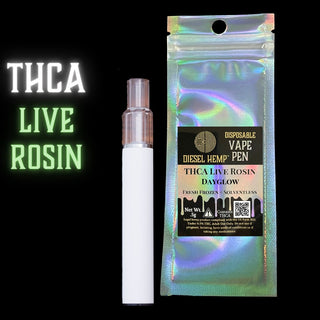
THCA Live Rosin Vape Pen (.5g)
From $44.00
SHOP NOW →THCA Flower – Strawberry 2.1
From $22.00
SHOP NOW →
THCA Flower – Straw Gua Mintz
From $29.00
SHOP NOW →
THCA Flower – Dayglow Mousse
From $29.00
SHOP NOW →
THCA Flower – Permanent Marker
½oz — $59.00
SHOP NOW →
THCA Pre Roll – King Size
From $9.00
SHOP NOW →Candyland Strain Genetics & Lineage
- Type: Sativa-dominant. Leafly lists it as a sativa; AllBud puts it at 70% sativa / 30% indica. Leafly's growers note it can throw a lot of indica-leaning phenotypes.
- Ancestry: Granddaddy Purple × Bay Platinum Cookies — a Platinum phenotype from the Girl Scout Cookies family. Every major source agrees on the parents.
- Breeder: Ken Estes, the Bay Area breeder who created Granddaddy Purple.
- THC: Leafly 19%; AllBud 18–24%; Estes' cut runs a consistent 23–24% per Cannabis Now.
- Other cannabinoids: Leafly lists about 1% CBG; AllBud lists about 1% CBD and 1% CBN.
- Aliases: Kandyland.
- Offspring: Leafly lists SPK and Sour Belts as Candyland descendants.
The origin story
In a Cannabis Now profile, Estes explained that he started the project around 2011. He loved Granddaddy Purple but wanted something lighter for daytime and more resistant to mold, so he crossed a GDP male with a female phenotype of Bay Platinum Cookies. The result was sweeter than GDP — which he describes as tart rather than sweet — less "stoney," easier to grow and more branchy, with deep purple veins running through the leaves. "I really fell in love with it," he said.
He wasn't in love with the name. Estes told Cannabis Now he only used "Candyland" because he lacked a better option — and "be careful what you name them." Terpene lab Abstrax reports that Oregon banned the name in 2016 over its similarity to the Hasbro children's board game, which is one reason you'll see the Kandyland spelling. Abstrax also cites a 2018 interview in which Estes called it his proudest strain after Granddaddy Purple.
Is every Candyland the real thing?
Not necessarily. Estes himself warns that a lot of flower labeled "Candyland" or "GDP" isn't his genetics. Cannabis Now names TreeHawk Farms in Washington as a grower that received Candyland seeds directly from him. Some retailers also credit Candyland with a sativa-category win at KushCon in Denver in 2012; we couldn't confirm that from a primary source.
Candyland Terpene Profile
Leafly's lab-tested data lists caryophyllene as Candyland's most abundant terpene, followed by limonene and humulene — a classic Cookies-family stack. Abstrax's analysis adds cadinene, a woody, herbal compound, alongside caryophyllene and limonene, and scores Candyland's sweet-fruity "Exotic Factor" at 93%. Some dispensary data lists pinene or myrcene in the top three. Caryophyllene is worth knowing on its own: a 2008 PNAS study identified beta-caryophyllene as a "dietary cannabinoid" that binds CB2 receptors.
Terpene Profile — Relative Intensity
Caryophyllene — pepper and earthy spice under the sugar
Limonene — sweet citrus, the energetic lift
Humulene — woody, hoppy dryness
Pinene — pine, clear head
Typical relative profile for Candyland — caryophyllene-led per Leafly's lab data. Exact ratios vary by grower and phenotype; check the COA.
- Caryophyllene: The peppery, earthy backbone from the Cookies side — what keeps Candyland from tasting syrupy.
- Limonene: Sweet citrus and a big part of the bright, mood-lifting onset.
- Humulene: Woody and hop-like; it adds the dry, earthy edge on the exhale.
- Pinene: Fresh pine, listed by some dispensaries and part of why the high reads clear rather than foggy.
The "candy" itself isn't a single terpene. Abstrax points to minor aromatic compounds — sweet esters among them — as likely contributors, which is why Candyland's candy-shop nose is so much louder in a well-cured jar.
Appearance
Leafly describes Candyland as compact, camouflage-colored buds with golden hairs woven through a thick coat of sugar-like trichomes — the "candy" coating is visible before you smell anything. AllBud notes the same camouflage greens with gold flecks and shimmering trichomes. The buds are small to medium and dense, with orange-to-copper pistils, and some phenotypes pick up purple flecks from the GDP side when grown cool.
Aroma and Flavor
Open a jar and it's sweet first: candy, honey and berry, with a floral edge — Leafly lists sweet, flowery and honey. Underneath sits an earthy, peppery spice that AllBud calls its "earthy, spicy undertone," with pine and herbal notes. On the palate AllBud's reviewers report berry, candy, honey, pine, vanilla and fruity sugar, and some catch caramel or lime. The inhale is sweet and smooth; the exhale turns earthy and lightly peppery, with a vanilla-cookie finish from the Platinum Cookies side. Estes' own summary is simplest: it's sweeter than Granddaddy Purple.
Recreational Effects
Candyland is a daytime strain. Leafly rates it "mostly energizing," and its reviewers most often report feeling:
- Uplifted: the headline effect — a quick, clean mood boost.
- Energetic: motivated and active rather than couch-bound; one Leafly reviewer calls it the best strain for outdoor activities.
- Happy and sociable: Leafly calls it a perfect strain for social gatherings.
- Creative and euphoric: AllBud lists both, with a light relaxing body underneath.
How the high unfolds: onset, peak and duration
- First 2–5 minutes: a bright, cerebral lift arrives fast.
- 30–60 minutes: the peak — happy, talkative, focused enough to get things done, with a relaxed body.
- 2–3 hours: a gentle taper with no heavy crash. Hunger often shows up on the comedown.
Does Candyland get you high for a long time? Smoked or vaped, expect two to three hours — typical for flower. Edibles made from it last far longer, roughly 4–8 hours, which is true of any strain eaten rather than inhaled.

Candyland's sugary buds loaded into a frosted glass hand pipe.
→ Experience it yourself — shop Diesel Hemp's THCA Flower
How Strong Is Candyland?
Strong, but not extreme by modern standards. Leafly rates it "higher THC than average." The published numbers:
- Leafly: 19% THC, about 1% CBG.
- AllBud: 18–24%.
- Abstrax: 20–24%.
- Cannabis Now (Estes' cut): a consistent 23–24%.
So is Candyland a strong strain? Yes — most jars sit around 18–24% THC, which is plenty for most people. But its reputation is for a clean, functional high rather than a knockout, and that's exactly what Estes bred it for: GDP's quality without GDP's sedation.
THCA flower is labeled differently from dispensary flower: the lab reports THCA, which converts to THC when heated, plus a small amount of delta-9 THC. When you compare a Candyland batch against the 18–24% range above, compare total THC on the COA, not the headline number — our guide on how to read a THCA flower COA walks through the math.
Candyland vs Similar Strains
- vs Granddaddy Purple: the parent. GDP is grape, berry and heavy sedation; Candyland is sweeter and lighter, built for daytime.
- vs GSC: the Cookies family behind Bay Platinum Cookies — sweet, earthy and potent, with more body than Candyland.
- vs Durban Poison and Green Crack: other energizing sativas. Both are sharper and more stimulating; Candyland is sweeter and smoother.
- vs Cotton Candy: another candy-named strain, but a calmer, more relaxing high.
- vs Strawberry 2.1: not related — Strawberry Guava × OGKB 2.1, with ripe strawberry instead of candy and honey. But it's sativa-leaning, uplifting and social, which makes it the closest match on our shelf.
Who Candyland Is (and Isn't) For
Good fit: daytime smokers, social and outdoor sessions, creative work, and anyone who likes the idea of GDP but not the couch lock.
Poor fit: people looking for a sleep strain, or anyone prone to THC anxiety — "anxious" is among Leafly's top negatives. For a heavier, evening-leaning option on our shelf, Permanent Marker is the better pick.
How to Use Candyland THCA Flower — and How Much
THCA has to be heated to do anything. Raw, it isn't intoxicating; heat converts it to THC (decarboxylation), which is why the method matters as much as the strain.
- Smoking (joint, pipe, bong): the fastest onset. Take one or two small hits, then wait 10–15 minutes before deciding on more.
- Dry-herb vaporizer: the best way to taste the candy and honey. Around 350–380°F keeps the limonene sweetness bright; 390–410°F brings out the peppery caryophyllene and a fuller body.
- Pre-rolls: the no-prep option — see our THCA pre-rolls.
- Homemade edibles: decarb the flower first. Edibles take 30–120 minutes to kick in and last far longer, so start low and wait the full two hours.
How much? New or occasional users: one or two small puffs, then wait 10–15 minutes — the energy arrives fast, and more isn't always better with an energizing sativa. Regular users usually find two or three hits delivers the full uplift. You can always add more; you can't take it back.
Medicinal Benefits
These are uses consumers report on Leafly, not established clinical outcomes. Individual response varies with dose, tolerance and chemotype.
- Stress: the most-cited reason in Leafly reviews (about 31%).
- Low mood: about 30% — consistent with the uplifted, happy headline effects.
- Anxiety: about 25% report help, though "anxious" is also a top-listed negative, so dose matters.
- Fatigue, pain and muscle tension: Leafly's description says patients use it for pain, muscle tension and low moods; AllBud adds fatigue and headaches.
For a plain-language primer on how terpenes are thought to shape these effects, see Project CBD on terpenes. Nothing here is medical advice, and nothing on this page is intended to diagnose, treat, cure or prevent any disease. If you take prescription medication or have a health condition, talk to your doctor before using any cannabis product.
Side Effects and Cautions
- Dry mouth and dry eyes — the most common complaints on Leafly and AllBud.
- Anxiety or a racy headspace — Leafly's top negative, mostly at high doses or low tolerance.
- Dizziness — listed by AllBud, usually from overdoing it.
- Munchies — appetite often shows up on the comedown.
Is Candyland good for sleep? Generally not — it's energizing. Save it for the daytime. Don't drive after using it, and talk to your doctor first if you take prescription medication, are pregnant or nursing, or have a heart condition.
Is Candyland Good? How to Judge a Good Bag
Leafly's 4.5 stars across more than 1,200 ratings say most people who try it like it. Since even the breeder warns about fake Candyland, it pays to check:
- Ask where the genetics came from. A seller who can trace the cut to Estes' line is a good sign.
- A current third-party COA naming the lab, with THCA, delta-9 and total THC. Ours are on the lab results page.
- Sweet on the nose, with honey and candy before the earthy spice. Pure earth or grape with no sweetness suggests something else.
- Sugar-coated buds — heavy trichomes over compact, camouflage-green nugs with golden hairs.
- A proper cure — springy buds and a strong nose. Hay or grass smell means it was rushed.
Growing Candyland
Estes bred Candyland to be easier to grow than GDP, and growers generally agree it's cooperative and productive.
- Flowering: about 8 weeks indoors per Estes; most guides say 8–9 weeks, with harvest around days 56–65.
- Yield: up to about 430 g/m² indoors per Leafly; Estes told Cannabis Now outdoor plants can yield up to 5 pounds each.
- Setup: grows indoors and out, and Leafly notes it suits sea-of-green.
- Stretch: roughly 1.5–2x after the flip — train before flowering.
- Watch for: powdery mildew if humidity spikes or airflow lags, despite Estes' mold-resistance goal.
- Outdoors: harvest around late September to mid-October in the Northern Hemisphere.
Is Candyland THCA Flower Legal?
Under the 2018 Farm Bill, hemp is federally legal when it contains no more than 0.3% delta-9 THC on a dry-weight basis — see the USDA hemp program. THCA flower is sold under that rule. State laws differ and are changing, so check your state before you order. And whatever the label says, THCA flower will show up on a drug test — heated, it is THC.
Why Buy From Diesel Hemp
- Third-party lab tested — published COAs for our flower on the lab results page
- Grown in Colorado by Diesel Hemp and partner farms — hand-trimmed, slow-cured, shipped fresh
- Federally compliant — under 0.3% delta-9 THC per the 2018 Farm Bill
- Ships direct in discreet packaging — free shipping on orders over $75
- Veterans discount program — proud to support those who served — apply here
Shipping & Legality
Is it legal to ship THCA flower to my state?
In its raw form our flower contains less than 0.3% delta-9 THC, making it federally compliant under the 2018 Farm Bill. Some states restrict high-THCA hemp products — check your local laws before ordering.
How does shipping work?
Orders ship direct in discreet packaging with tracking. Free shipping on orders over $75 — a ½oz plus a $9 King Size Pre Roll gets you there.
Questions about your order?
Call 833-375-3835 or email info@dieselhemp.com — real humans in Colorado.
Shop Premium Flower at Diesel Hemp
- Strawberry 2.1 THCA Flower — our closest match on a sweet, sativa-leaning, uplifting daytime high.
- THCA Flower — the full lineup, grown in Colorado by Diesel Hemp and partner farms.
- THCA Pre-Rolls — the same flower, pre-rolled.
- THCA Small Buds — same genetics, smaller nugs, better price per gram.
- What THCA flower actually is — the encyclopedia explainer.
Frequently Asked Questions
Is Candyland a sativa or indica strain?
Candyland is sativa-dominant. Leafly lists it as a sativa and AllBud as 70% sativa / 30% indica, though Leafly's growers note it can throw indica-leaning phenotypes. Its effects — uplifted, energetic, happy — are classic daytime sativa.
What is Candyland a cross of?
Granddaddy Purple × Bay Platinum Cookies. Breeder Ken Estes crossed a GDP male with a Bay Platinum Cookies female around 2011.
Who bred Candyland?
Ken Estes, the Bay Area breeder who created Granddaddy Purple. He set out to make a lighter, daytime-friendly, more mold-resistant version of GDP.
Why is Candyland also called Kandyland?
According to terpene lab Abstrax, Oregon banned the Candyland name in 2016 because of its similarity to the Hasbro children's board game. Kandyland is the common alternate spelling.
How strong is Candyland?
Leafly lists 19% THC, AllBud 18–24%, and Cannabis Now reports Estes' cut at a consistent 23–24%. It's potent, but known for a clean, functional high rather than a knockout.
What are the effects of Candyland?
Leafly reviewers most often report feeling uplifted, energetic and happy; AllBud adds creative, euphoric and sociable. The body stays light and relaxed.
What does Candyland taste like?
Sweet — candy, honey, berry and vanilla — over an earthy, peppery spice with pine and herbal notes.
How long does a Candyland high last?
Smoked or vaped, the effects come on within minutes, peak around 30–60 minutes and taper over two to three hours. Edibles last much longer.
Is Candyland good for anxiety?
It's mixed. About 25% of Leafly reviewers say it helps with anxiety, but 'anxious' is also its top-listed negative. Small doses are the safer approach.
Is Candyland good for sleep?
Not usually. It's an energizing daytime strain; for nighttime, a heavier indica is a better fit.
Is Candyland good for beginners?
It's more manageable than many modern strains, but still potent at 18–24% THC. Start with one small puff and wait 10–15 minutes.
How long does Candyland take to flower?
About 8–9 weeks indoors — Estes says it finishes in about eight — with outdoor harvests from late September to mid-October.
Where can I buy Candyland THCA flower online?
Candyland isn't in the Diesel Hemp shop right now. The closest match is Strawberry 2.1 THCA Flower — a sweet, sativa-leaning hybrid with the same uplifting, social daytime high, from $22, third-party lab tested, with free shipping over $75. For a heavier evening option, try Permanent Marker.
Closest sweet, uplifting match in stock · from $22 · free shipping over $75
Related Strains
- Granddaddy Purple — the parent — Ken Estes' original.
- GSC (Girl Scout Cookies) — the Cookies family behind Bay Platinum Cookies.
- Strawberry 2.1 — a sweet, sativa-leaning hybrid — our closest in-stock match.
- Cotton Candy — another candy-sweet strain, with a calmer high.
- Durban Poison — the classic energizing sativa.
- Green Crack — a sharper daytime sativa.
- Purple Urkle — the purple-family heritage behind GDP.
- Jack Herer — another clear-headed, creative daytime favorite.
- Browse the Full Diesel Hemp Encyclopedia
From $22 · sweet, uplifting sativa-leaner


