


Delta 8 vs Delta 9 vs Delta 10: Which Is Stronger, How Each Feels, and Which One to Buy
Three numbers, one molecule. Delta 8, delta 9 and delta 10 are all tetrahydrocannabinol — the same atoms in the same arrangement, except for the position of one double bond on the carbon ring. That one difference decides how tightly each binds your CB1 receptors, and therefore how strong it is, how it feels, and how it is made. The short version: delta 9 is the plant's own THC and the strongest; delta 8 is roughly half as strong and calmer; delta 10 is the mildest and most energetic. Delta 9 can be extracted from hemp; delta 8 and delta 10 are made by converting CBD. We sell delta 8 flower and delta 9 gummies and drinks, so this is the comparison from people who have to explain the difference at the counter.
Quick Facts
In short: Potency ranks delta 9 > delta 8 > delta 10. Character runs from delta 9 (full, heady, can be anxious) through delta 8 (relaxed, body-forward, calm) to delta 10 (light, uplifting, functional). Delta 9 is extracted; the other two are converted from CBD. All three show up on a drug test. All three face the December 11, 2026 federal change; the converted two face it harder.
- Dose equivalence (rough): 10 mg delta 9 ≈ 20–25 mg delta 8 ≈ 30–40 mg delta 10.
- Best for new users: delta 8 (calm) or a 5 mg delta 9 (short, predictable).
- Best for daytime: delta 10, or delta 9 with caffeine (our Hippie Speedball gummies, THC coffee).
- Best for full strength: delta 9, or THCA flower which becomes delta 9 when lit.
- Cleanest supply chain: delta 9 extracted from the plant. Converted products need a full-panel COA.
Delta 9 and Delta 8 — Colorado-Grown, Lab-Tested
Full-spectrum delta 9 gummies and THC coffee; infused delta 8 flower. COA on every batch. Free shipping over $75. 21+.
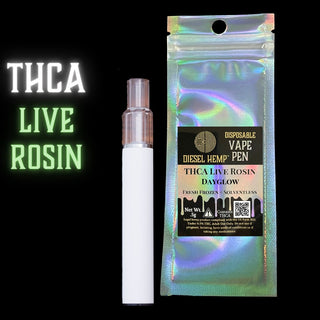
THCA Live Rosin Vape Pen (.5g)
From $44.00
SHOP NOW →
Delta 9 Gummies – Hippie Speedball
From $29.00
SHOP NOW →
THC Black Cold Brew – 12 Pack
$59.00
SHOP NOW →
Delta 8 Flower – Strawberry Diesel
From $20.00
SHOP NOW →
Delta 8 Flower – Garlic Breath
From $20.00
SHOP NOW →
THCA Flower – Strawberry Glue
From $29.00
SHOP NOW →The Side-by-Side Table
| Delta 8 | Delta 9 | Delta 10 | |
|---|---|---|---|
| Double bond | 8th carbon | 9th carbon | 10th carbon |
| Relative potency | ~50–65% of delta 9 | 100% (the reference) | ~30–50% of delta 9 |
| Character | Relaxed, body-forward, low anxiety | Full euphoria, heady; anxiety possible at high doses | Light, uplifting, "sativa-like" |
| In the plant | Trace (<1%) | Abundant (as THCA) | Trace |
| How it's made | CBD conversion (acid catalyst) | Extracted from hemp (or converted, by some brands) | CBD conversion; often a byproduct of delta 8 runs |
| Onset / duration (smoked) | 5–10 min / 2–4 h | 2–10 min / 2–4 h | 5–10 min / 2–3 h |
| Onset / duration (edible) | 45–90 min / 4–8 h | 45–90 min / 4–8 h | 45–90 min / 3–6 h |
| Drug test | Positive | Positive | Positive |
| Federal status today | Hemp if ≤0.3% delta 9; DEA disputes converted | Hemp if ≤0.3% delta 9 by dry weight | Same as delta 8 |
| After Dec 11, 2026 | Excluded (converted) + 0.4 mg cap | 0.4 mg total THC cap per container | Excluded (converted) + 0.4 mg cap |
| Research base | Thin | Decades | Almost none |
Which Is Stronger: Delta 8, Delta 9 or Delta 10?
Delta 9, by a clear margin. It binds CB1 most tightly, which is why 10 mg is a full adult dose. Delta 8 binds more weakly — user reports and the limited receptor data put it at roughly half to two-thirds the potency — so a 25 mg delta 8 gummy is the practical equivalent of a 10 mg delta 9 gummy. Delta 10 is weaker again, around a third to a half of delta 9, and most delta 10 products are blended with delta 8 to give them any real effect. If a product labeled "delta 10" hits hard, read the COA: it is usually the delta 8 doing the work.
How Each One Feels
Delta 9
The reference experience: euphoria, altered time, appetite, the full head-and-body high that cannabis is known for. At higher doses or in sensitive people, racing thoughts and anxiety. Full-spectrum delta 9 products carry the terpenes and minor cannabinoids that shape the high; a sativa-leaning full-spectrum extract with caffeine, like our Hippie Speedball gummies, reads very differently from an indica-style isolate gummy at the same milligrams.
Delta 8
Delta 9 with the volume turned down and the edges sanded off. Clear-headed, body-relaxed, noticeably less anxious. It is the cannabinoid people switch to after a bad delta 9 experience. The downside is the same as the upside: people chasing a full high find it underwhelming and compensate with more milligrams. Details on safety and sourcing are in the Delta 8 THC entry.
Delta 10
The lightest of the three. Described as uplifting, energetic and functional — a "sativa" feel — with a mild euphoria that rarely tips into anxiety. For many people it is barely a high at all. Its appeal is daytime use without impairment; its problem is that there is almost no research and most products are delta 8 blends. Background in the Delta 10 entry.
How Each One Is Made (and Why It Matters)
Delta 9 is what the plant makes, as THCA. It can be extracted from hemp during CBD processing without altering the molecule. Some brands convert CBD to delta 9 instead; ask.
Delta 8 and delta 10 barely exist in the plant. Commercial product is made by dissolving CBD in a solvent, adding an acid catalyst, and heating. The reaction yields a mix — delta 8, delta 9, delta 10, iso-THCs and unidentified byproducts — that has to be purified. Delta 10 was historically a leftover of delta 8 production before it was sold on its own. The FDA's delta 8 notice flags exactly this: manufacturers "may use potentially unsafe household chemicals" and byproducts can remain. A converted cannabinoid without a residual-solvent and heavy-metal panel on the COA is an unknown.
This is also the legal fault line. The federal definition that takes effect December 11, 2026 excludes cannabinoids the plant can make but that were synthesized outside it. Converted delta 8 and delta 10 are the textbook cases; extracted delta 9 is not.
Dose Equivalence Guide
| Experience level | Delta 9 | Delta 8 | Delta 10 |
|---|---|---|---|
| First time | 2.5–5 mg | 10–15 mg | 15–20 mg |
| Standard adult dose | 10 mg | 25 mg | 30–40 mg |
| Experienced | 20–25 mg | 50 mg | 60–80 mg |
Edible milligrams. Equivalences are approximate and vary person to person. Wait two hours before taking more of any of them; never mix with alcohol; do not drive.
Delta 8 vs Delta 9
The comparison most people are actually making. Delta 9 is stronger, faster, more euphoric and more likely to cause anxiety; delta 8 is calmer, more sedating and more forgiving. Delta 9 can be plant-extracted; delta 8 is converted. Both show up identically on a drug test and both are federally legal today under the 0.3% rule, but delta 8 is banned or restricted in roughly twenty states and is a controlled substance in Texas as of July 31, 2026. If you want full strength, delta 9. If delta 9 makes you paranoid, delta 8. The full delta 9 story is in the Delta 9 THC entry.
Delta 8 vs Delta 10
Delta 8 is stronger and more relaxing; delta 10 is milder and more energizing. Both are converted from CBD and both face the same legal exposure. In practice most "delta 10" products are delta 8/delta 10 blends, because pure delta 10 is too weak to sell on its own, so the real difference is often marketing. Check the COA for the ratio.
Delta 9 vs Delta 10
Opposite ends of the scale. Delta 9 is the full experience; delta 10 is the lightest touch. Someone who wants a functional daytime lift with minimal impairment is the delta 10 customer — though a 5 mg delta 9 gummy or a 10 mg THC coffee gets there more predictably, with a cleaner supply chain and a known molecule.
Do They Show Up on a Drug Test?
All three. Every THC isomer metabolizes into a carboxy compound that the standard immunoassay cannot distinguish from THC-COOH, and converted products carry residual delta 9 anyway. Detection windows are the same: a few days for occasional use, a month or more for daily use. The full breakdown is in the drug test guide.
Which One Is Legal?
Federally, today, all three are hemp if the product contains no more than 0.3% delta 9 THC by dry weight — though the DEA has long argued that converted delta 8 and delta 10 are synthetic cannabinoids outside that protection. States diverge: Texas made delta 8 and other non-delta-9 isomers Schedule I on July 31, 2026; Tennessee excluded converted cannabinoids from hemp in July 2026; Georgia excludes synthetic cannabinoids and caps delta 9 edibles at 10 mg; North Carolina allows all three on a delta-9-only test. On December 11, 2026, Public Law 119-103 caps every hemp product at 0.4 mg total THC per container and excludes cannabinoids synthesized outside the plant. Delta 9 products fail the cap; delta 8 and delta 10 fail both tests. Our dated state guides: Georgia, Florida, North Carolina, Texas, Tennessee; federal picture on the hemp THC legal status page. General information, not legal advice.
Which One Should You Buy?
- You want the real thing: delta 9 gummies or drinks, or THCA flower.
- Delta 9 makes you anxious: delta 8, from a producer with a full-panel COA.
- You want a daytime lift and no couch: a 5 mg delta 9, a 10 mg THC coffee, or delta 10 if you accept the thin research.
- You are drug-tested: none of them. CBD isolate or broad-spectrum only.
- You care about what's in it: plant-extracted delta 9 over any converted cannabinoid.
→ Shop plant-extracted delta 9 gummies and THC coffee, and infused delta 8 flower
Shop Diesel Hemp
- Delta 9 THC Gummies — full-spectrum, plant-extracted, with guayusa caffeine.
- THC Coffee — 10 mg delta 9 cold brew.
- Delta 8 Flower — infused, not sprayed, COA on every page.
- THCA Flower — the plant's own delta 9, grown not converted.
Frequently Asked Questions
Which is stronger, delta 8, delta 9 or delta 10?
Delta 9 is the strongest. Delta 8 is roughly half to two-thirds as potent; delta 10 is about a third to a half. 10 mg of delta 9 is roughly equivalent to 25 mg of delta 8 or 30 to 40 mg of delta 10.
What is the difference between delta 8 and delta 9?
One double bond position. Delta 9 is the plant's primary THC, full strength, and can be extracted without conversion; delta 8 is milder, calmer and made by converting CBD. Both show up on drug tests.
What is the difference between delta 8 and delta 10?
Delta 8 is stronger and more relaxing; delta 10 is milder and more energizing. Both are converted from CBD, and most delta 10 products are blended with delta 8 for effect.
Is delta 9 stronger than delta 8?
Yes, by roughly double per milligram. Delta 9 also hits faster and is more likely to cause anxiety at high doses.
Which is better, delta 8 or delta 9?
Delta 9 if you want the full experience or care about a plant-extracted supply chain. Delta 8 if delta 9 makes you anxious and you buy from a producer with a full-panel COA. Neither if you are drug-tested.
Do delta 8, delta 9 and delta 10 show up on a drug test?
All three. Their metabolites cross-react with the standard THC screen, and converted products contain residual delta 9. Occasional use clears urine in days; daily use can read positive for a month or more.
Which delta is best for anxiety?
Of the three, delta 8 is the one most consistently described as low-anxiety, with delta 10 close behind. Delta 9 at high doses is the one most likely to cause it. A 2.5 to 5 mg delta 9 dose is also calm for most people. None of them is a treatment for an anxiety disorder.
Is delta 10 legal?
Same position as delta 8: federally hemp today if under 0.3% delta 9, banned or restricted in about twenty states, a controlled substance in Texas since July 31, 2026, and excluded from the federal hemp definition as a converted cannabinoid from December 11, 2026.
About the Author
Marc Brannigan is co-founder of Diesel Hemp, a Colorado hemp breeder and grower that sells delta 9 gummies and drinks and infused delta 8 flower, with a third-party COA on every batch. This entry draws on published cannabinoid receptor pharmacology, the FDA's delta 8 consumer update and Public Law 119-103; it is general information, not medical or legal advice. 21+.
Related Entries
- Delta 9 THC — the original, and why hemp-derived delta 9 is legal.
- Delta 8 THC — is it bad for you, synthetic, real weed, safe?
- Delta 10 — the mildest of the three.
- Delta 8 Drug Test — detection windows for every THC isomer.
- THCA Flower, THCP and HHC — the rest of the hemp cannabinoid family.
- Browse the Full Diesel Hemp Encyclopedia


